Free In-House Timber Frame And Truss Estimating & Detailing
At Wonson Frames & Trusses, we provide accurate in-house estimating and structural detailing services to support builders, developers and project managers throughout NSW. Using the advanced MiTek design system, our experienced detailing team produces precise structural models, material schedules and load calculations for timber framing, roof trusses and engineered flooring systems.
By managing the entire detailing and estimating process internally, we ensure every project is accurately planned, structurally compliant and optimised for efficient manufacturing and installation. This integrated approach improves communication between design, manufacturing and delivery, helping reduce delays, minimise errors and maintain consistent quality across projects.
Our in-house process allows builders to move from architectural plans to manufactured structural components with confidence, knowing every element has been designed to meet Australian building requirements.
Precision Design Using the MiTek Engineering System
The MiTek design system is one of the most widely used structural design platforms within the timber framing and truss industry. It allows our detailing team to create detailed structural models that ensure framing components are engineered for strength, efficiency and compliance.
Using MiTek technology, we can produce:
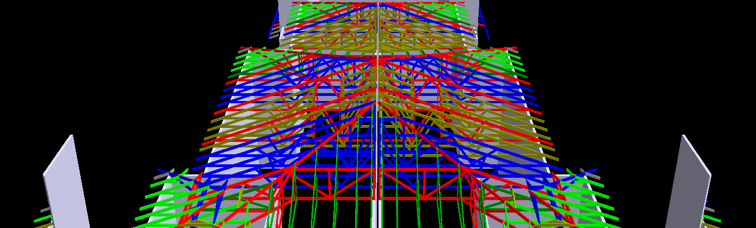
- Accurate 3D structural models of the entire framing system
- Detailed truss and frame layouts aligned with architectural plans
- Load calculations to verify structural performance
- Wind classification checks based on site conditions
- Complete material schedules and cutting lists for manufacturing
- These detailed models allow builders and project teams to clearly visualise how the structural system will perform before production begins.
Architectural Plan Review
Every project begins with a comprehensive review of the architectural drawings provided by the builder or designer. Our detailing team carefully assesses the plans to identify structural requirements, span conditions and potential design considerations.
During this stage we analyse:
- Roof design and truss configurations
- Wall frame layouts and load paths
- Floor framing requirements and spans
- Structural support locations
- Site wind classification and load requirements
- This early review process helps ensure the structural framing system integrates seamlessly with the architectural design.
3D Structural Modelling and Detailing
Once the plans have been reviewed, our team produces detailed 3D structural models using the MiTek system. These models provide an accurate representation of the entire framing structure, including wall frames, roof trusses and flooring systems.
3D modelling allows us to:
- Identify structural load paths throughout the building
- Optimise framing layouts and material usage
- Detect potential design conflicts early in the process
- Ensure all components align correctly during installation
- This level of precision helps reduce on-site adjustments and improves installation efficiency.
Load Calculations and Structural Verification
Structural integrity is critical in every building project. Our detailing team performs detailed load calculations and engineering checks to ensure framing systems meet Australian structural requirements.
These calculations confirm that:
- Roof trusses safely support roof loads and wind pressures
- Wall frames transfer loads efficiently to the foundation
- Flooring systems maintain stability across spans
- Structural components meet relevant Australian Standards
- By verifying these structural elements during the detailing phase, we ensure builders receive framing systems that are designed for long-term performance and reliability.
Material Optimisation and Compliance
Efficient material usage is essential for controlling construction costs and improving sustainability. Our detailing process optimises timber components to ensure the framing system uses materials efficiently while maintaining structural strength.
This includes:
- Optimised cutting lists for manufacturing
- Accurate material quantities
- Reduced site waste
- Compliance verification with Australian Standards
- These optimised designs help ensure projects remain cost-effective without compromising structural performance.
Integrated Manufacturing at Our Tarrawanna Facility
Once detailing and estimating are complete, the structural components are manufactured at our Tarrawanna production facility using precision manufacturing processes.
Because detailing and manufacturing are managed internally, we can ensure:
- Accurate translation from design to production
- Consistent product quality
- Efficient manufacturing timelines
- Reduced risk of design errors during fabrication
- This integrated approach allows us to maintain control over quality at every stage of the process.
Coordinated Delivery Scheduling
To support efficient construction timelines, we coordinate delivery schedules to align with project requirements and site readiness. This ensures framing components arrive on site when builders need them, helping maintain smooth construction progress.
Our team works closely with builders to organise deliveries that suit:
- Project staging
- Site access conditions
- Crane and installation scheduling
- Construction timelines
- This coordination helps reduce delays and streamline installation once framing components reach the site.
Supporting Builders from Design to Construction
Our in-house detailing and estimating services provide builders with the confidence that structural timber systems have been professionally designed, accurately costed and efficiently manufactured.
By combining advanced design technology with experienced structural detailing, Wonson Frames & Trusses delivers framing systems that support efficient construction, structural reliability and consistent project outcomes.
Estimating & Detailing Services Across NSW
Our team works with builders, architects and engineers to prepare accurate framing layouts, structural detailing and material estimates to ensure projects move efficiently from design to manufacturing.
We provide estimating and detailing support for projects across:
- The Illawarra – learn more about our Illawarra frames and truss supply services
- Sydney regions – explore our Sydney residential framing and truss projects
- Southern Highlands – view our Southern Highlands construction supply coverage
- South Coast NSW – see our South Coast builder support services
Our estimating and detailing specialists work closely with clients to review architectural plans, confirm structural requirements and prepare accurate production documentation prior to manufacturing.
Need A Quote For Your Next Project?
If you're planning a residential build, duplex development or custom home project, engineered timber wall frames, roof trusses and floor systems provide a reliable and efficient structural solution.
📞 Contact Wonson Frames & Trusses to discuss your next construction project.
★★★★★ SEE OUR REVIEWS HERE ★★★★★
In-House Detailing & Estimating FAQs
What is timber frame and truss detailing?
Timber frame and truss detailing is the process of converting architectural building plans into detailed structural drawings used to manufacture wall frames, roof trusses and flooring systems. This process includes structural calculations, framing layouts and material schedules to ensure the building structure meets engineering and building requirements.
What is the MiTek design system?
The MiTek design system is specialised engineering software used in the timber framing industry to design and model structural framing systems. It allows detailing teams to create accurate 3D models, calculate structural loads, verify wind classifications and generate detailed manufacturing drawings for wall frames, roof trusses and floor systems.
Why is in-house detailing important for timber framing projects?
In-house detailing improves communication between design, estimating and manufacturing teams. Because the process is managed internally, potential design issues can be identified early, reducing delays, minimising errors and ensuring structural components are manufactured accurately for installation on site.
What information is required to produce a timber framing estimate?
To produce a detailed estimate, our team typically requires architectural plans, site information and project specifications. These documents allow our detailing team to assess structural requirements, determine framing layouts and calculate the materials required for manufacturing.
Do truss and frame designs need to comply with Australian Standards?
Yes. Structural timber framing systems must comply with relevant Australian Standards and building codes. During the detailing process, structural loads, wind classifications and span requirements are calculated to ensure framing systems meet engineering and compliance requirements.
Can the detailing process identify structural issues before construction?
Yes. By creating detailed 3D structural models and reviewing architectural plans, potential structural conflicts or design issues can often be identified early in the process. This allows adjustments to be made before manufacturing or construction begins, helping avoid costly changes on site.
What types of projects benefit from professional timber detailing services
Professional detailing services are used across a wide range of projects including:
- Custom residential homes
- Duplex and dual occupancy builds
- Townhouse developments
- Multi-residential construction
- Renovations and extensions
- Accurate detailing ensures framing systems are designed specifically for each project.
How does detailed framing design improve construction efficiency?
Detailed structural drawings and material schedules help builders install frames and trusses more efficiently. Clear layouts and engineered components reduce on-site modifications, streamline installation and improve coordination with other trades such as plumbing and electrical services.