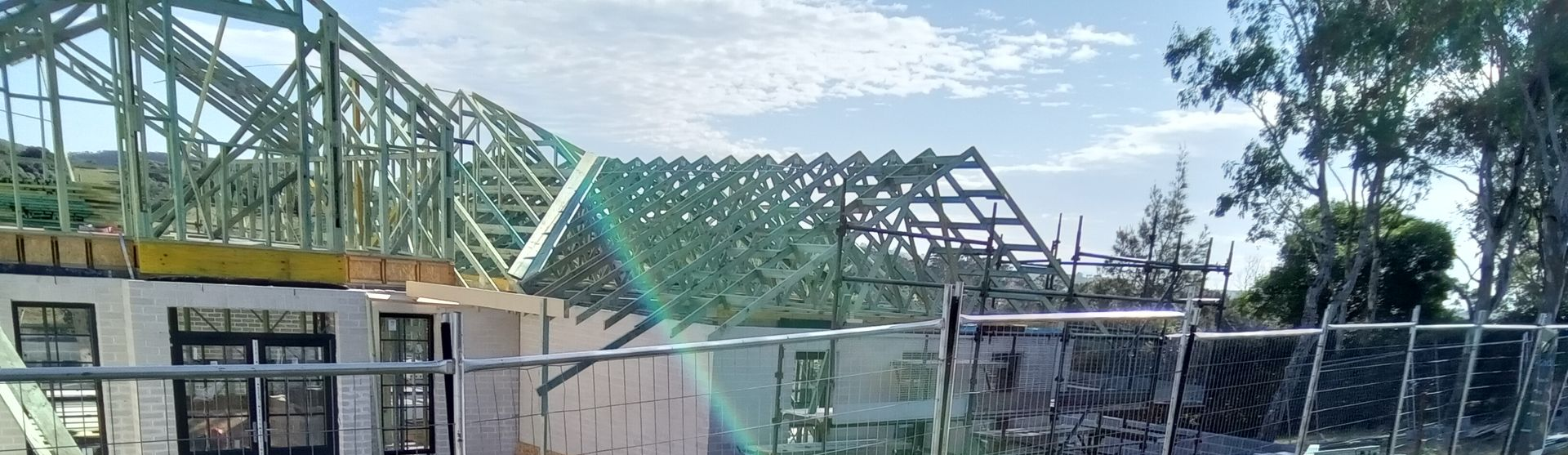
Timber Roof Trusses NSW | Engineered Truss Supplier
Prefabricated Timber Roof Trusses for Efficient Roof Structures
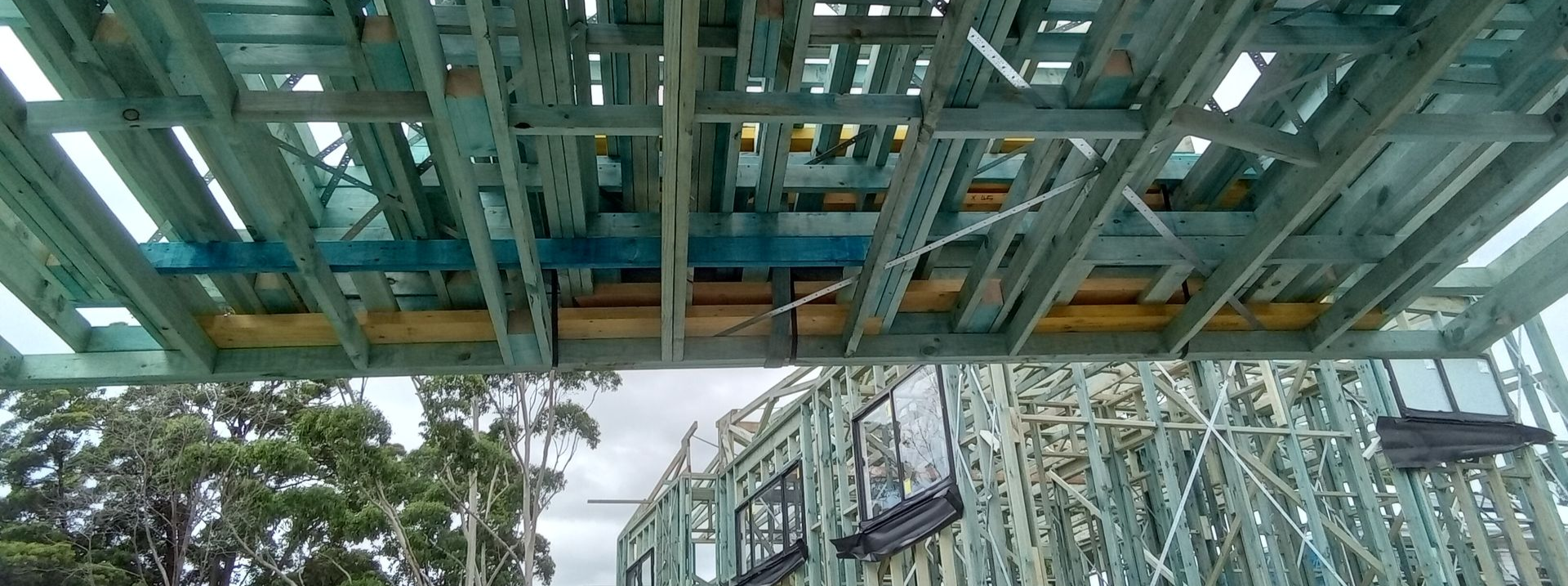
Timber roof trusses form the structural framework that supports roofing materials while distributing loads safely through the building structure. At Wonson Frames & Trusses, we manufacture precision-engineered timber roof trusses designed to optimise span capability, structural stability and construction efficiency.
Unlike traditional stick-built roof framing known as rafters, prefabricated truss systems are manufactured in a controlled environment to ensure consistent structural performance and accurate installation on site. This approach reduces construction time while providing builders with reliable, engineered roof structures that align with architectural plans and structural engineering specifications.
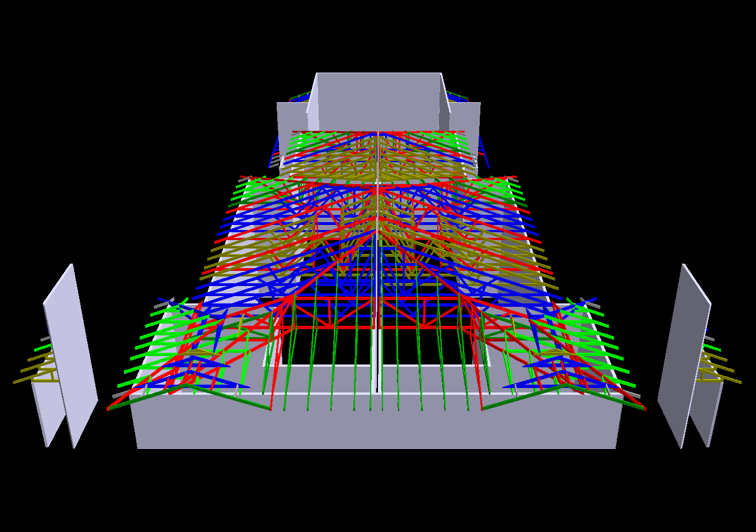
Our timber roof trusses are designed using advanced detailing software and manufactured from graded structural timber to ensure compliance with Australian building standards AS1684 and project-specific engineering requirements.
Roof Truss Design & Span Engineering
Roof trusses are engineered structural systems designed to support roof loads while allowing greater span distances without the need for internal load-bearing walls. This structural efficiency allows builders and designers greater flexibility when planning open-plan living spaces and modern residential layouts.
Each truss is designed to meet the specific requirements of the building, including roof pitch, span distance, ceiling loads and wind classification.
Design considerations typically include:
• Roof pitch and span requirements
• Ceiling load distribution
• Wind classification and uplift resistance
• Structural engineering specifications
• Load transfer through supporting
wall frames
Proper truss engineering ensures the roof structure performs reliably while maintaining compliance with Australian construction standards.
Prefabricated Roof Truss Manufacturing
Prefabricated timber roof trusses are produced in a controlled manufacturing environment where structural accuracy and consistency can be maintained. This process ensures that each truss is manufactured precisely to match the project’s architectural drawings and structural engineering requirements.
Manufacturing roof trusses off-site offers several advantages for builders, including improved installation efficiency and reduced material waste.
Benefits include:
• Faster roof framing installation
• Reduced on-site labour requirements
• Consistent structural accuracy
• Improved crane installation efficiency
• Reduced construction delays
This approach helps streamline the roof framing stage of construction while maintaining structural reliability.
Common Timber Roof Truss Types
Different truss designs are used depending on span requirements and roof design. Our manufacturing team produces a range of engineered timber truss systems suitable for residential construction.
King Post Trusses- Commonly used for shorter spans, king post trusses provide a simple and reliable structural configuration suitable for many residential roof designs.
Queen Post Trusses- Designed for longer spans, queen post trusses incorporate additional vertical members to provide increased structural support.
Scissor Trusses- Scissor trusses are designed to create vaulted or cathedral ceilings while maintaining structural stability within the roof system.
Each truss configuration is engineered to match the project’s roof design, span requirements and structural specifications.
Wind Classification & Structural Compliance
Roof truss systems must be engineered to withstand environmental forces including wind uplift and lateral loads. Structural engineering calculations determine the appropriate truss design and tie-down requirements for each project.
Residential construction projects commonly fall within wind classifications such as:
• N2 wind classification
• N3 wind classification
• Site-specific engineered wind loads
Roof trusses must also comply with:
• Relevant Australian Standards
• Structural engineering documentation
• NCC (National Construction Code) requirements
Ensuring correct wind classification and structural detailing is essential to maintaining roof stability and compliance with building approvals.
Supplying Timber Roof Trusses Across NSW
Wonson Frames & Trusses manufactures and supplies precision-engineered timber roof trusses for residential construction projects throughout New South Wales.
Our roof truss systems are supplied to builders across:
•The Illawarra – learn more about our roof truss supply across
The Illawarra region
•Sydney regions
– explore our
Sydney roof truss supply services
•Southern Highlands – view our
Southern Highlands framing and truss projects
•South Coast NSW – see our
South Coast roof truss supply coverage
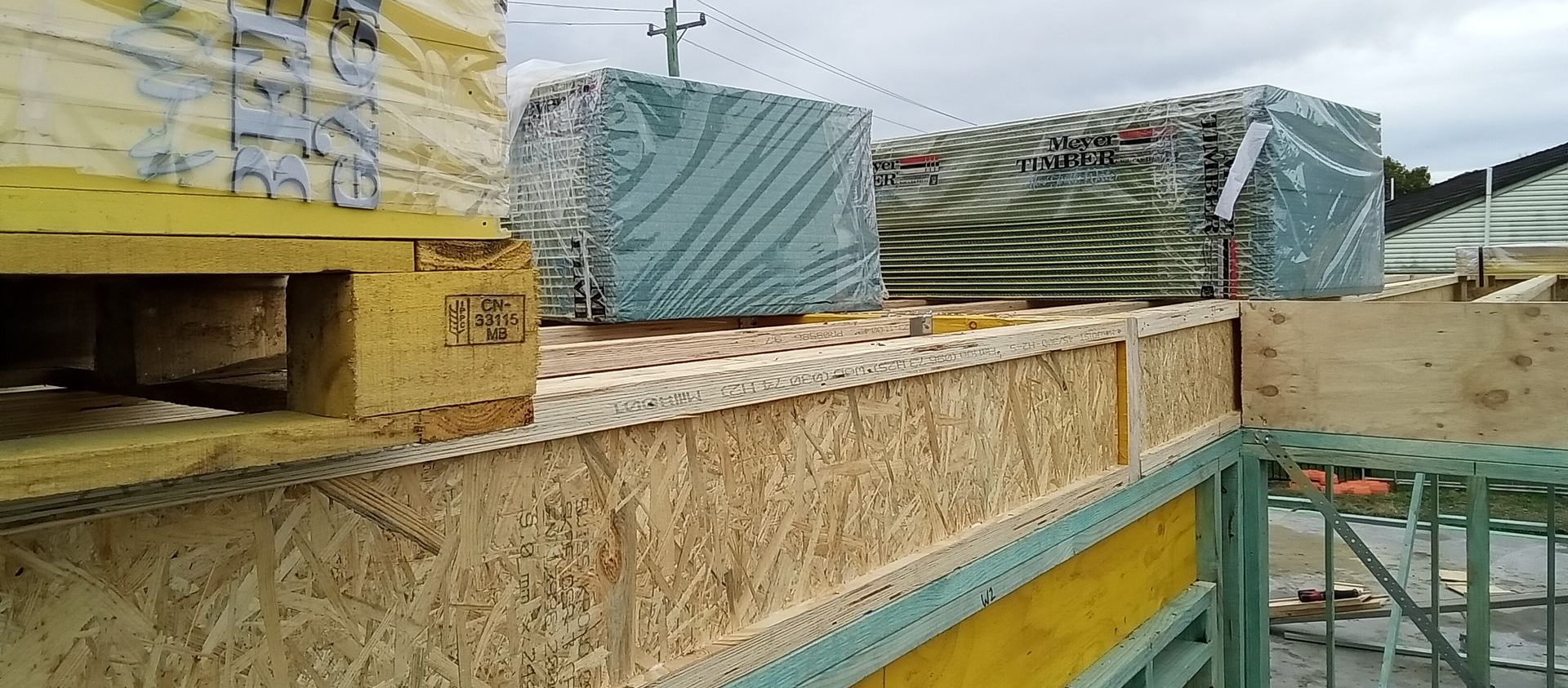
Our manufacturing and logistics teams coordinate closely with builders to ensure wall frames, trusses & Flooring systems design, production scheduling and delivery timing align with the correct stage of construction.
Need Prefab Roof Trusses for Your Next Project?
If you're planning a residential build, duplex development, or custom home project, engineered timber roof trusses provide a reliable and efficient structural solution.
📞 Contact Wonson Frames & Trusses to discuss roof truss supply for your next construction project.
Frequently Asked Questions – Timber Roof Trusses
What are timber roof trusses?
Timber roof trusses are prefabricated structural frameworks designed to support roof loads and distribute weight evenly across walls and supporting structures. They are engineered for strength, efficiency and accurate installation in residential construction.
What is the difference between roof trusses vs rafters?
Roof trusses are prefabricated off-site and installed as complete structural units, while traditional roof framing is built piece by piece on-site using rafters. Trusses are generally faster to install, more consistent in quality and reduce material waste.
What are the types of roof trusses used in residential construction?
Common residential roof truss types include king post trusses, queen post trusses and scissor trusses. Each design is used depending on roof span, ceiling design and structural requirements.
How long does roof truss installation take?
Roof trusses are installed quickly compared to traditional framing because they are prefabricated off-site. Installation time depends on project size and complexity, but generally reduces overall construction time significantly.
Are AS1684 roof trusses compliant with Australian standards?
Yes. Roof trusses are designed using engineering software and must comply with relevant Australian Standards, including structural load requirements and wind classifications for the building site.
Can custom roof trusses be designed for different roof structures?
Yes. Roof trusses are custom designed for each project to suit roof pitch, span and architectural requirements. This allows flexibility for both standard and complex roof designs.
Do roof trusses support open plan home designs?
Yes. Roof trusses can span longer distances than traditional framing, reducing the need for internal load-bearing walls and enabling open plan layouts.