Understanding AS1684 Timber Framing Standards
What Is AS1684?
AS1684 is the primary Australian standard governing residential timber-framed construction. It provides detailed guidelines for the design and construction of timber structures, ensuring buildings can safely withstand loads from occupancy, wind, and environmental conditions.
The standard is widely used by builders, engineers and frame manufacturers across Australia to ensure that wall frames, roof structures and bracing systems are designed and installed correctly.
For most low-rise residential projects, AS1684 acts as a “deemed-to-satisfy” solution under the NCC (National Construction Code), meaning builders can follow it without needing complex structural engineering for standard designs.
What AS1684 Covers
AS1684 is comprehensive and outlines key structural requirements for timber framing systems such as what is listed below.
Stud Spacing Requirements
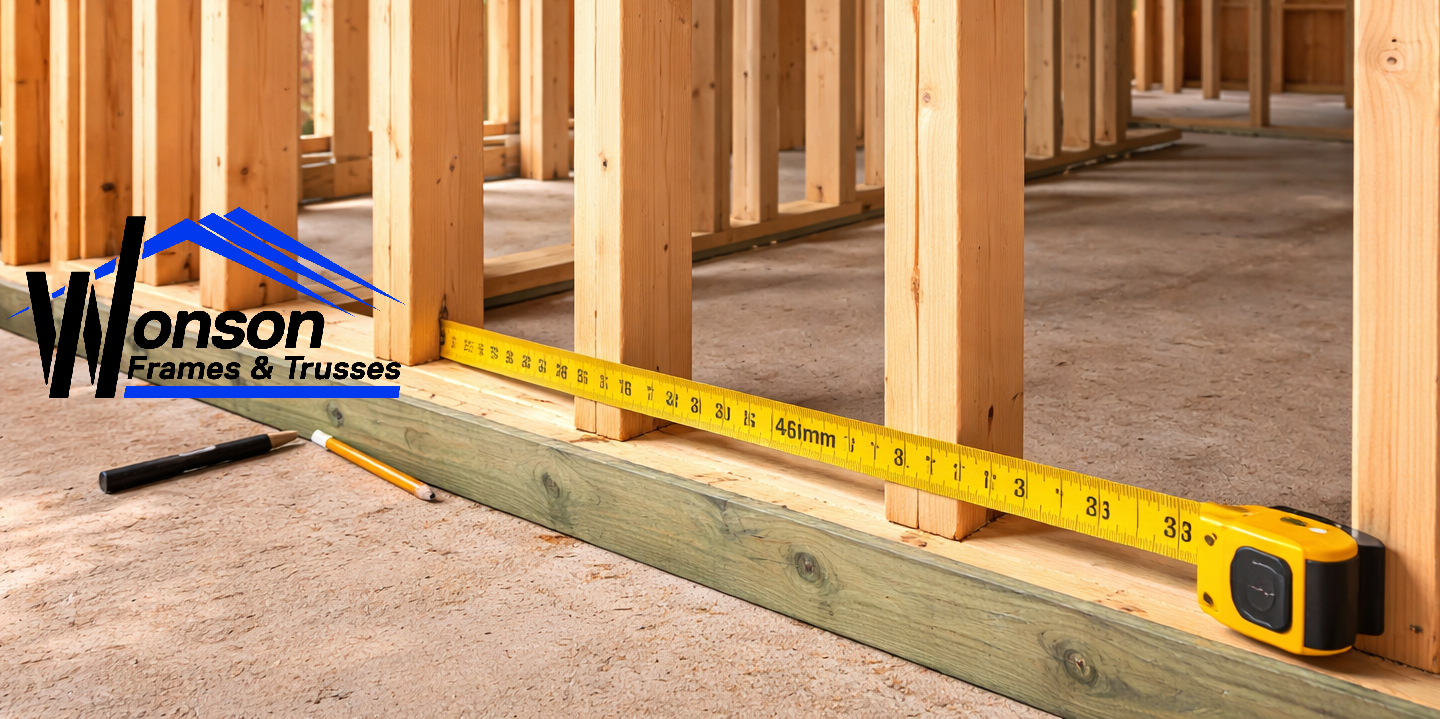
The standard defines acceptable stud spacing (commonly 450mm or 600mm centres) based on:
- Wall height
- Load conditions
- Wind classification
- Cladding type
Correct stud spacing ensures walls can carry vertical loads while supporting linings and external finishes.
Wall Bracing Design
Bracing systems are critical for resisting lateral loads such as wind pressure.
AS1684 specifies:
- Minimum bracing requirements
- Bracing unit calculations
- Correct placement throughout the structure
Proper bracing prevents movement, racking and structural instability.
Tie-Down Systems
Tie-down connections ensure that loads are transferred safely from the roof down to the foundation.
This includes:
- Roof-to-wall connections
- Wall-to-floor/slab fixings
- Hold-down rods and straps
Tie-down systems are especially important in areas with higher wind classifications.
Span Tables
AS1684 includes span tables that determine how far structural members can span without additional support.
These apply to:
- Floor joists
- Rafters
- Beams
- Lintels
Using correct span tables ensures members do not sag or fail under load.
Load Calculations
The standard accounts for:
- Dead loads (structure weight)
- Live loads (people, furniture)
- Wind loads
This ensures all structural components work together to safely transfer loads through the building.
How AS1684 Works With Wind Classifications
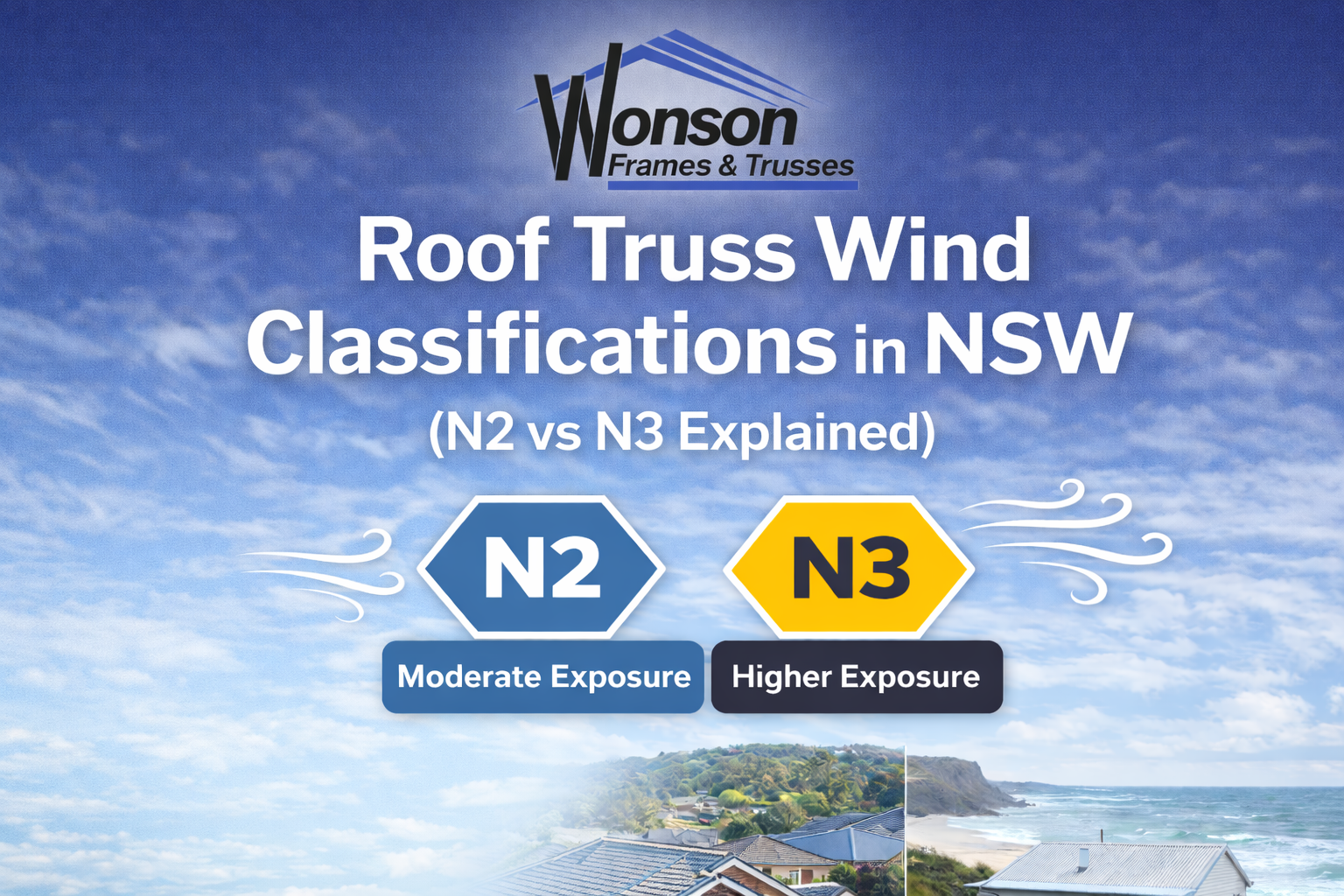
Wind classification plays a major role in how AS1684 is applied.
Standards such as AS4055 determine whether a site is rated N1, N2, N3 or higher. This classification then influences:
- Stud spacing
- Bracing requirements
- Tie-down capacity
- Roof truss design
For example, a home built in an N3 wind area will require stronger connections and more bracing than one in an N2 zone.
Why AS1684 Is Important for Builders
Following AS1684 is essential for both compliance and long-term performance.
Structural Integrity- Ensures the building can safely handle loads without movement or failure.
Compliance and Certification- Aligns with NCC requirements, making approvals and inspections smoother.
Consistent Construction Standards- Provides clear guidelines for builders, reducing guesswork on site.
Reduced Risk of Defects- Incorrect framing can lead to cracking, movement or structural issues — AS1684 minimises this risk.
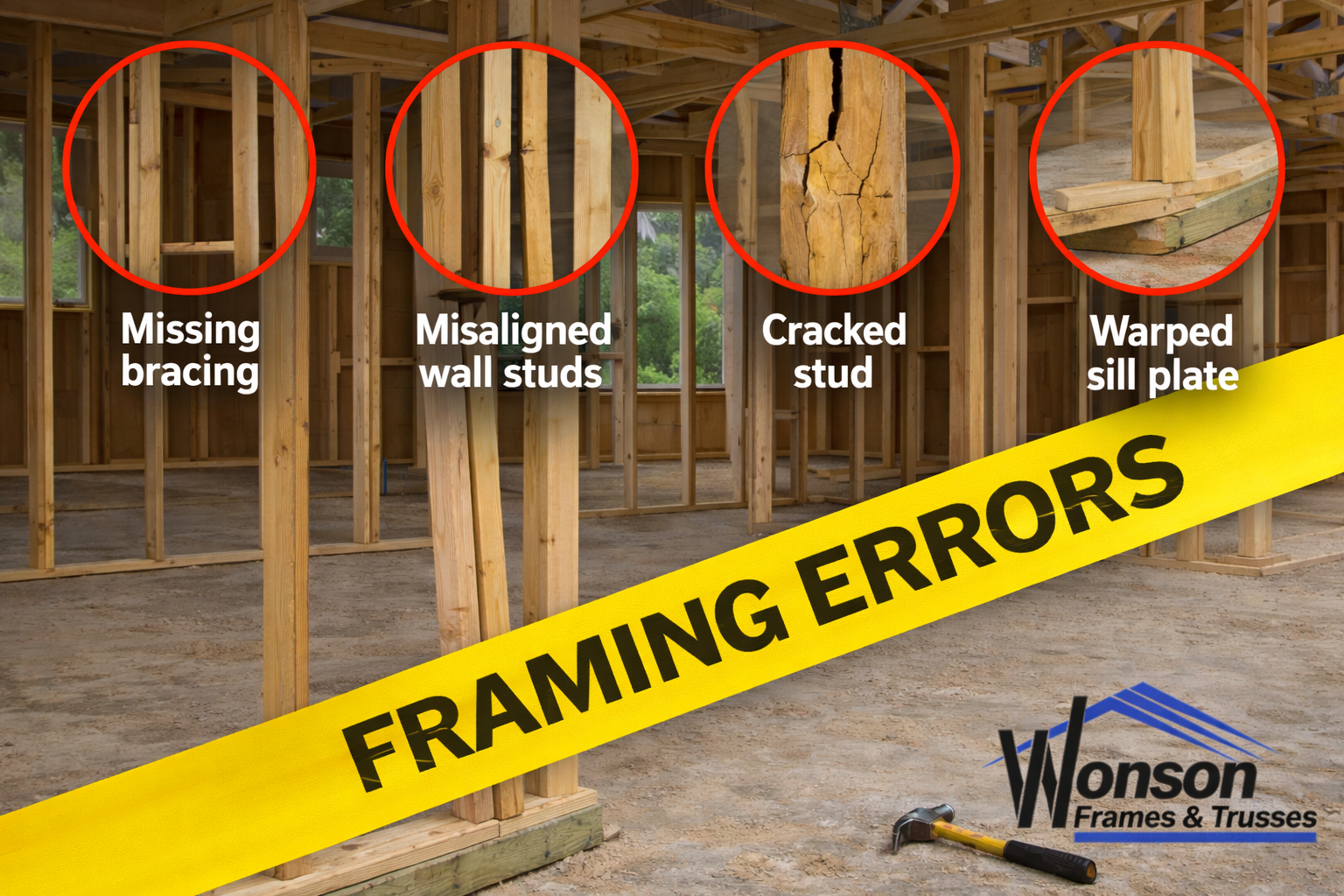
Builders who don’t properly follow AS1684 guidelines may encounter:
- Incorrect stud spacing
- Insufficient bracing
- Missing tie-down connections
- Over-spanned structural members
These issues can lead to costly rectification work and delays during inspections.
Avoid common issues with our guide to framing mistakes builders should avoid
Engineered Timber Framing and AS1684
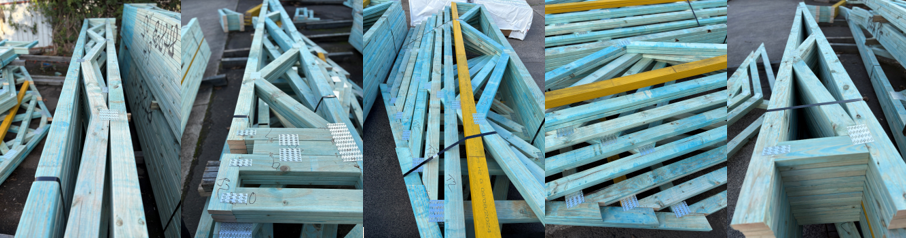
Modern prefabricated timber frames are designed using AS1684 as a foundation, combined with advanced engineering software.
This allows for:
- Precise stud placement
- Pre-designed bracing systems
- Accurate load paths
- Faster on-site installation
Prefabrication significantly reduces human error and ensures each frame meets structural requirements before arriving on site.
Why Builders Choose Prefabricated Frames
✔ Designed to AS1684 standards
✔ Faster installation times
✔ Improved structural accuracy
✔ Reduced on-site modifications
✔ Better project efficiency
By using engineered frames, builders can maintain compliance while improving build speed and consistency. AS1684 is the foundation of safe, compliant timber framing in Australia. It ensures that wall frames, roof structures and bracing systems are designed to handle real-world loads while meeting strict building standards. For builders, understanding and applying AS1684 is essential for delivering structurally sound, efficient and compliant residential projects.
See our Builder resource Hub for more helpful information regarding your next build!
Frequently Asked Questions
Is AS1684 mandatory for residential construction?
Yes. AS1684 is a recognised standard under the NCC and is required for compliant timber-framed construction in Australia.
Does AS1684 apply to all homes?
It applies to most standard low-rise residential timber-framed buildings. More complex designs may require additional structural engineering.
How does AS1684 relate to wind classification?
Wind classification (N1–N6) determines how AS1684 requirements are applied, particularly for bracing, tie-downs and structural connections.
Can builders modify framing on-site?
Any modifications should be reviewed by the frame manufacturer or engineer, as changes can affect compliance with AS1684.