South Coast NSW Frames & Trusses | Wind & BAL Coastal Guide
Coastal Construction & Framing Requirements on the South Coast NSW
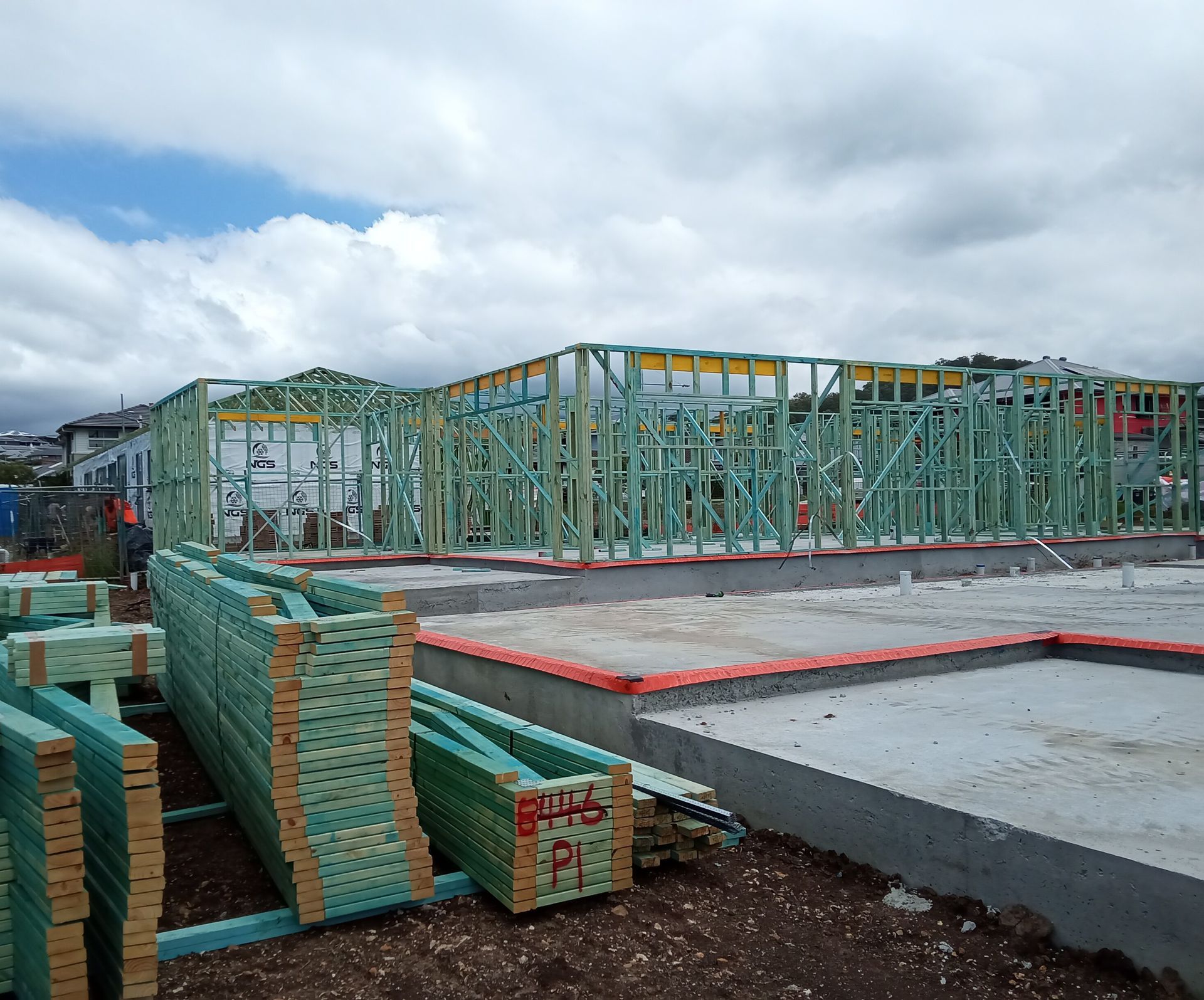
Building along the South Coast presents a different set of structural challenges compared to inland regions. From bushfire exposure to coastal corrosion and high wind classifications, framing systems must be designed specifically for local conditions.
For builders working in areas like Nowra, Batemans Bay, Ulladulla and Kiama, understanding South Coast framing requirements is critical to compliance, durability and long-term performance.
Bushfire (BAL) Requirements on the South Coast
Large portions of the South Coast fall within bushfire-prone land due to:
- Dense coastal bushland
- National parks
- Sloping terrain
- Rural-residential developments
Under AS 3959 – Construction of Buildings in Bushfire-Prone Areas, projects may require BAL-12.5, BAL-19, BAL-29 or BAL-40 compliance depending on vegetation proximity and slope.
Framing must integrate with:
- Ember-proof detailing
- Compliant cladding systems
- Approved roofing materials
- Proper sarking and sealing
Engineered timber framing can be specified to suit BAL-rated construction when designed as part of a compliant building system.
Coastal Corrosion & Material Selection
Unlike inland regions, the South Coast brings salt-laden air and elevated humidity.
This impacts:
- Fasteners
- Connectors
- Tie-down systems
- Bracing components
Corrosion protection is critical in coastal zones, particularly within proximity to the ocean.
For timber framing systems, this means:
- Appropriate galvanised or stainless fixings
- Correct connector selection
- Engineering suited to exposure category
Ignoring corrosion classification can reduce long-term structural integrity.
Wind Classifications & Tie-Down Requirements
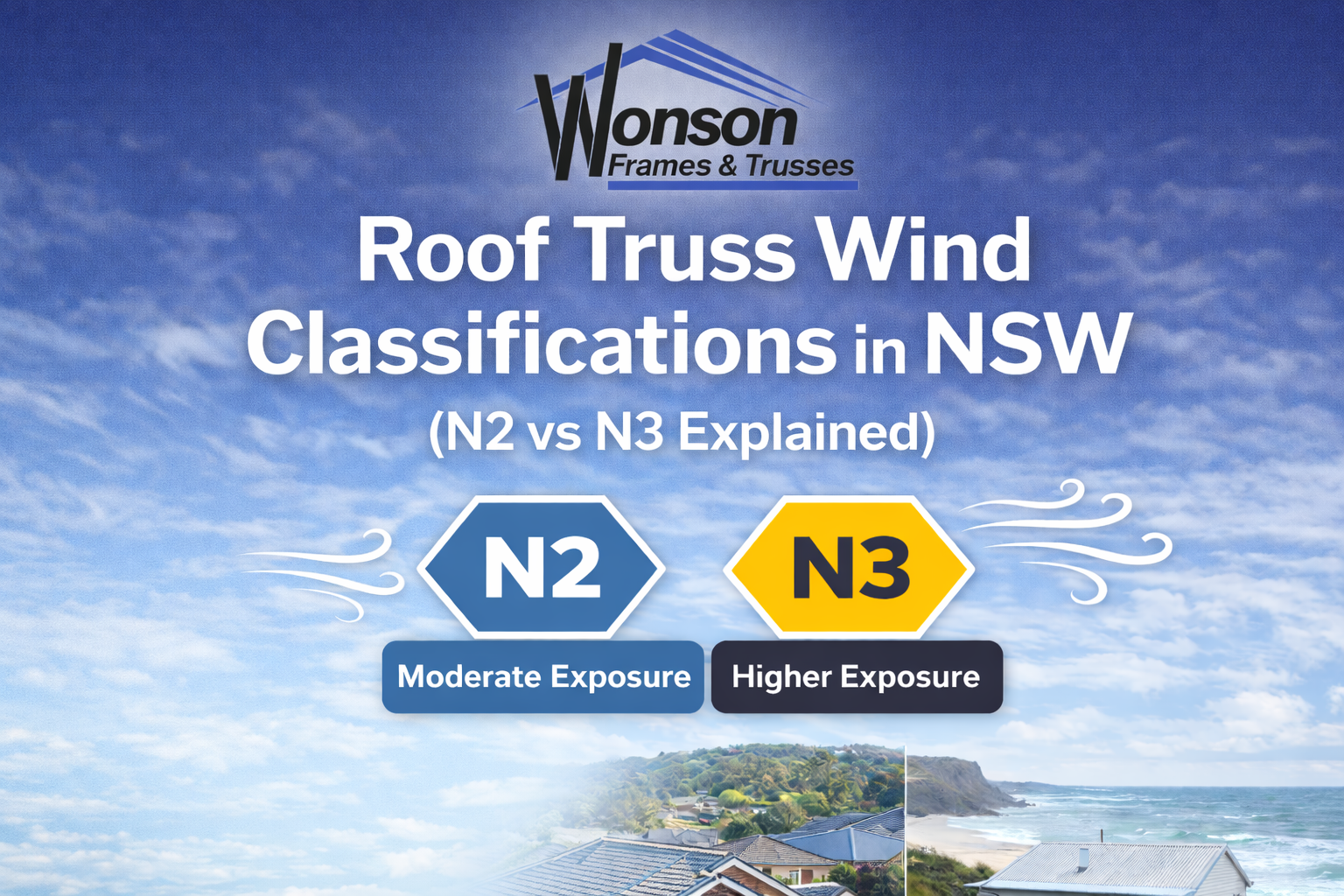
Coastal NSW sites often fall under higher wind classifications due to:
- Open terrain exposure
- Escarpment positioning
- Ocean-facing elevations
Framing systems must comply with wind loads determined under AS 4055 or project-specific engineering.
This influences:
- Stud spacing
- Bracing design
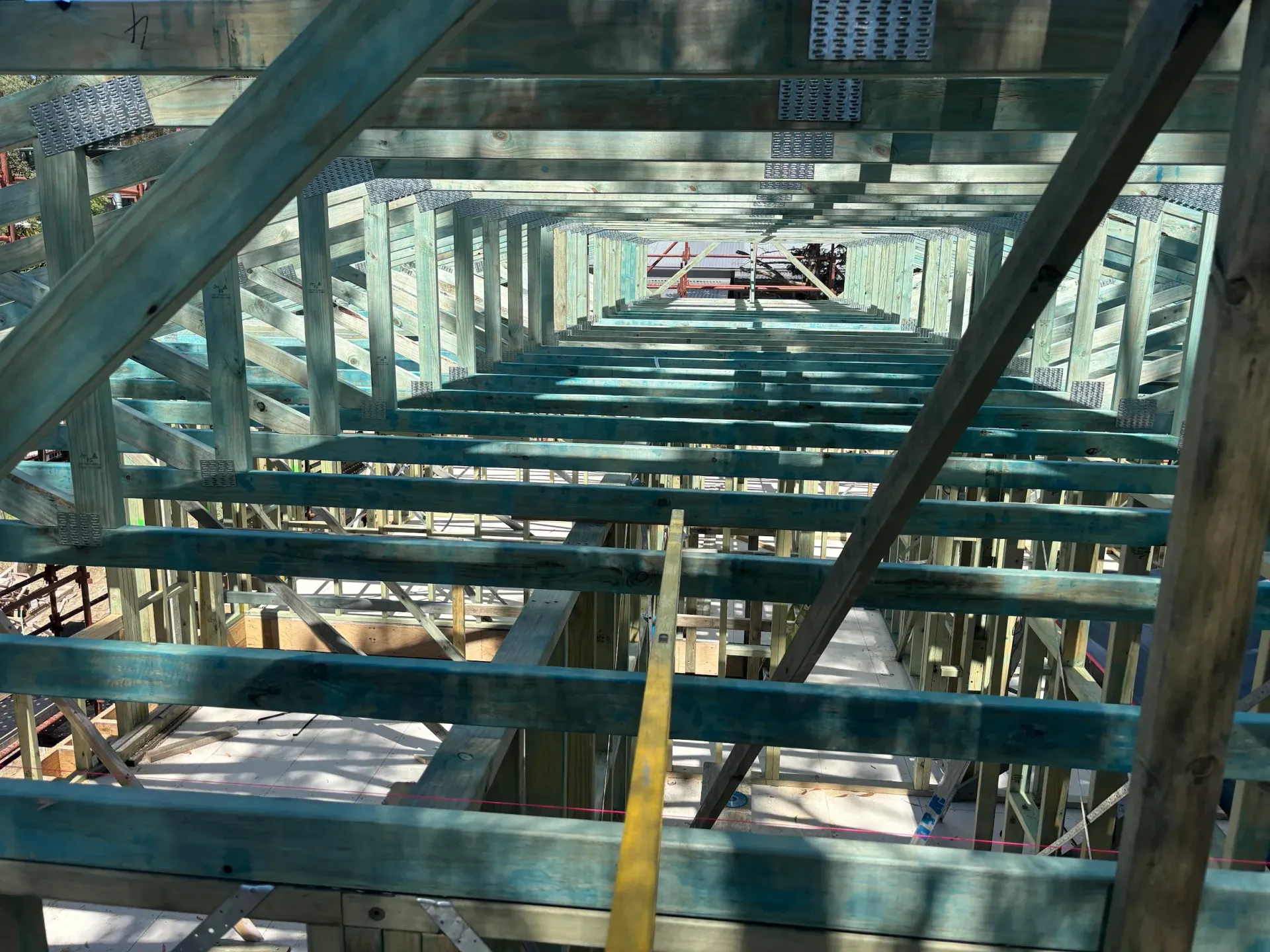
- Roof truss tie-down
- Uplift resistance
Early coordination between builder, engineer and frame supplier ensures compliance without costly redesign.
Moisture & Climate Considerations
The South Coast climate includes:
- High rainfall
- Elevated humidity
- Occasional storm activity
Framing systems must account for:
- Proper ventilation
- Moisture management
- Accurate installation sequencing
- Reduced exposure time before enclosure
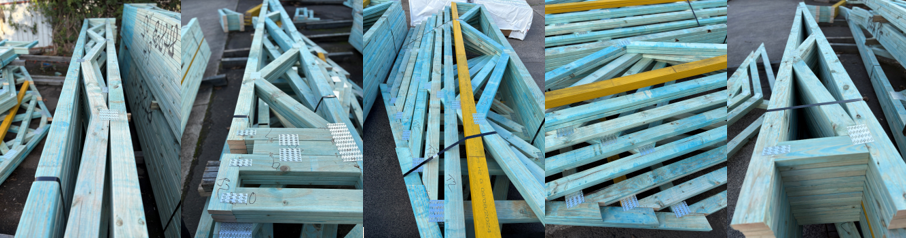
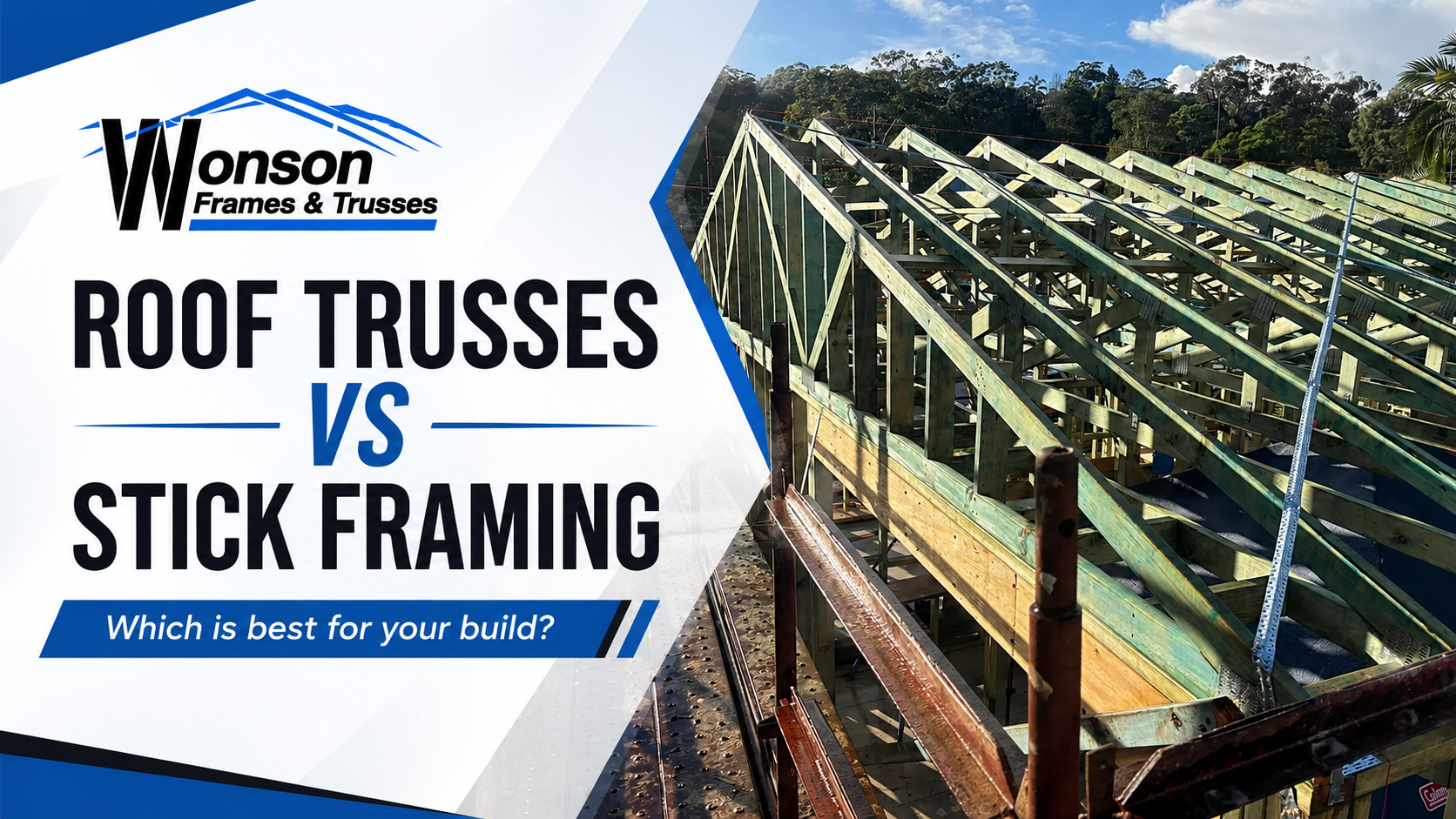
Prefabricated timber frames and trusses help minimise on-site exposure compared to extended stick-framing periods.
Timber vs Steel in Coastal South Coast Conditions
Builders often ask whether steel performs better near the coast.
Steel is non-combustible, but in coastal environments:
- Corrosion risk increases
- Protective coatings become critical
- Long-term exposure can affect performance
Engineered timber framing, when paired with appropriate fixings and detailing, performs reliably in South Coast conditions while offering:
- Efficient prefabrication
- Predictable fire performance
- Lower thermal conductivity
- Straightforward onsite modification
Material selection should align with full system design, exposure classification and engineering specifications.
Why Local Knowledge Matters
South Coast projects require balancing:
✔ Bushfire compliance
✔ Coastal corrosion protection
✔ Wind loading
✔ Moisture management
✔ Efficient installation
Working with a framing supplier experienced in South Coast conditions reduces risk and improves construction timelines.
Supplying Engineered Timber Frames & Trusses Across the South Coast
We design and supply engineered timber frames and roof trusses tailored for South Coast NSW projects, coordinating with builders to ensure:
- BAL-rated compliance
- Coastal-appropriate fixings
- Wind classification alignment
- Accurate manufacturing
- Reliable delivery scheduling
If you're pricing or planning a build along the South Coast, speak with our team early to streamline compliance and structural coordination.
📞 Contact us today to discuss your next coastal project.
Frequently Asked Questions – South Coast NSW Framing Requirements
What BAL rating is common on the South Coast NSW?
Many South Coast projects fall within BAL-12.5, BAL-19 or BAL-29 classifications, with some rural and bushland-adjacent sites requiring BAL-40 compliance.
BAL rating depends on vegetation type, distance to bushland, slope and surrounding fuel load. A certified bushfire assessment must be completed before finalising structural design.
Are timber frames suitable for bushfire-prone areas on the South Coast?
Yes. Engineered timber framing systems can be used in bushfire-prone areas when designed in accordance with AS 3959 and integrated into a compliant building system.
Compliance depends on:
- Cladding selection
- Roofing systems
- Ember protection
- Sarking and sealing
- Overall detailing
Timber framing itself is not restricted — correct system design determines compliance.
Do coastal conditions affect framing requirements?
Yes. Coastal environments introduce:
- Salt-laden air
- Increased humidity
- Higher corrosion exposure
This affects fasteners, connectors and tie-down systems. Framing must be engineered with appropriate corrosion protection based on exposure classification.
What wind classification applies on the South Coast?
Wind classifications vary depending on:
- Terrain category
- Elevation
- Proximity to the ocean
- Site exposure
Many coastal sites fall into higher wind categories compared to inland builds. Roof truss tie-down and bracing design must align with project-specific wind loading requirements under AS 4055 or engineered specifications.
Is steel framing better for coastal builds?
Steel is often considered for coastal environments, but it remains susceptible to corrosion if not properly protected. Protective coatings and detailing become critical in marine exposure zones.
Engineered timber framing, when paired with appropriate galvanised or stainless fixings, performs reliably in South Coast conditions while offering efficient prefabrication and straightforward onsite modification.
Does building on the South Coast increase framing costs?
Higher BAL ratings, corrosion protection requirements and wind classifications may increase overall construction costs. However, efficient prefabricated timber systems can help manage installation time and labour efficiency, particularly on coastal or sloping sites.
📞 Contact us today to discuss your next coastal project. If you’re pricing a project along the coast, explore our dedicated South Coast timber framing services page to see how we support local builders.