Timber Stud Spacing AS1684 Guide | 450mm vs 600mm Explained
What Is Stud Spacing in Timber Wall Frames?
Timber wall framing is the structural backbone of most Australian residential construction. One of the most important elements in a wall frame is stud spacing, which directly affects structural strength, load distribution and compliance with Australian building standards. The most common spacing options are 450mm and 600mm centres, and choosing the correct spacing affects structural performance, compliance, and material efficiency.
Under AS1684 – Residential Timber-Framed Construction, stud spacing must be carefully designed to support vertical loads, resist wind forces and provide adequate fixing support for internal linings and cladding systems.
For builders working with engineered timber wall frames, understanding stud spacing ensures both structural compliance and efficient installation.
Stud spacing refers to the distance between the centre of one vertical wall stud and the centre of the next.
This spacing determines how loads are transferred through the wall frame and influences:
- Structural strength
- Sheathing support
- Plasterboard fixing
- Insulation installation
- Wind load performance
Correct spacing ensures the frame performs as designed once roof loads, flooring loads and external forces are applied.
Standard Stud Spacing Under AS1684
In most Australian residential construction, the standard stud spacing used under AS1684 guidelines is:
450mm or 600mm centres
The appropriate spacing depends on several factors including:
- Wind classification
- Wall height
- Stud size and timber grade
- External cladding weight
- Structural loads from roof or floor systems
Engineering documentation or framing plans specify the exact spacing required for each project.
450mm vs 600mm Stud Spacing
Both spacing options are commonly used in timber-framed construction.
450mm Stud Centres
450mm spacing provides increased structural rigidity and is often used where additional strength is required.
Builders may choose 450mm centres when:
- Wall heights are greater
- Wind classifications are higher
- Heavier cladding systems are used
- Structural loads are increased
This spacing also improves fixing support for internal wall linings.
600mm Stud Centres
600mm spacing is widely used in standard residential construction where loads and wall heights allow.
Advantages include:
- Reduced timber usage
- Faster installation
- Alignment with plasterboard sheet sizes
- Efficient insulation installation
When engineered correctly, 600mm spacing performs well under many residential conditions.
Wind Classification and Stud Spacing
Wind classification plays a major role in determining stud spacing.
Under Australian standards, residential wind classifications typically include:
- N1
- N2
- N3
- N4
Higher wind classifications may require:
- Reduced stud spacing
- Larger stud sizes
- Additional bracing
- Increased tie-down detailing
Correct structural design ensures wall frames can resist both vertical and lateral loads.
Stud Spacing and Structural Load Transfer
Wall frames are responsible for transferring loads from:
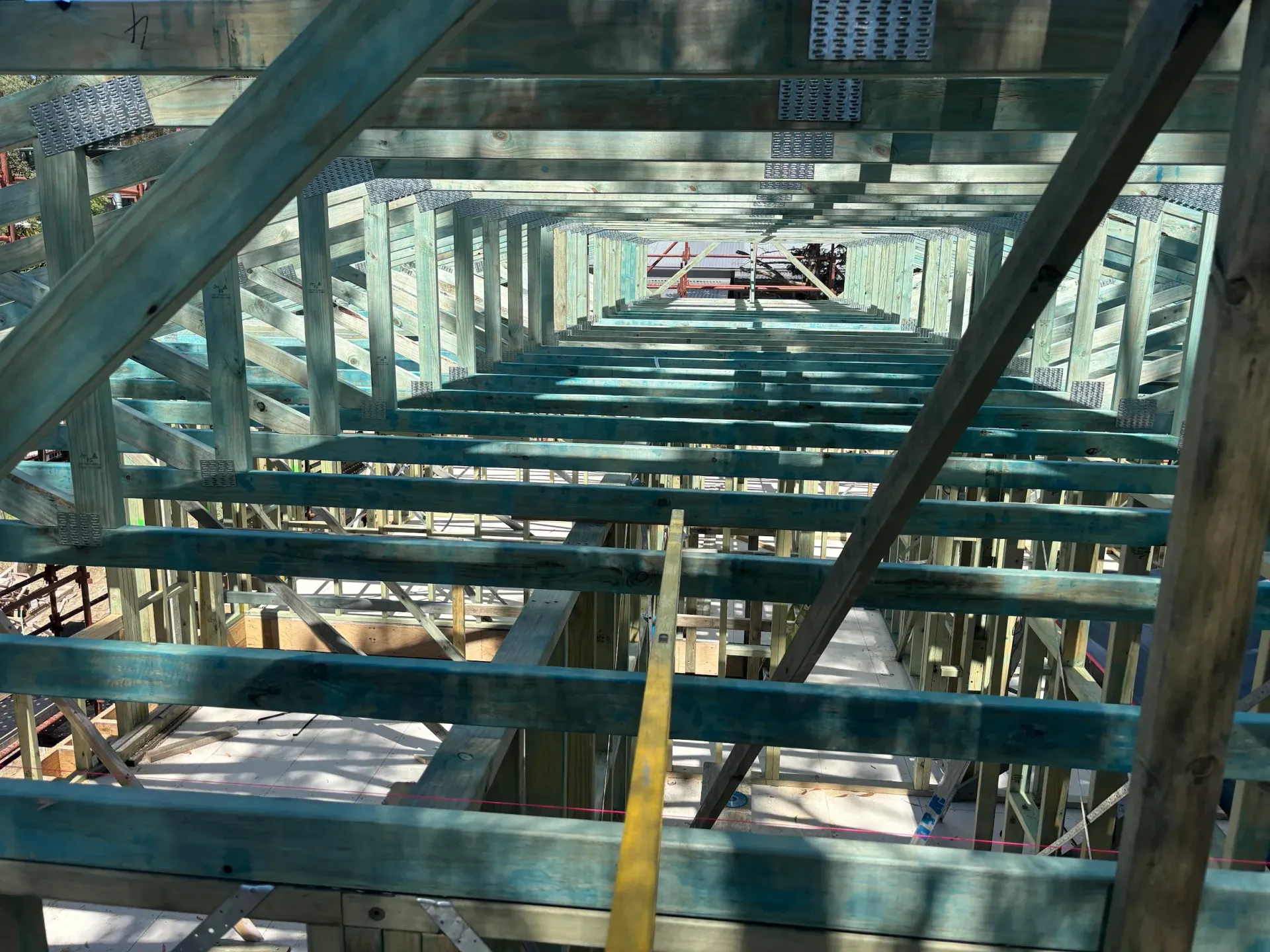
- Roof trusses
- Upper floors
- Structural beams
- Wind pressure
Stud spacing must allow loads to travel safely through the structure into the foundations.
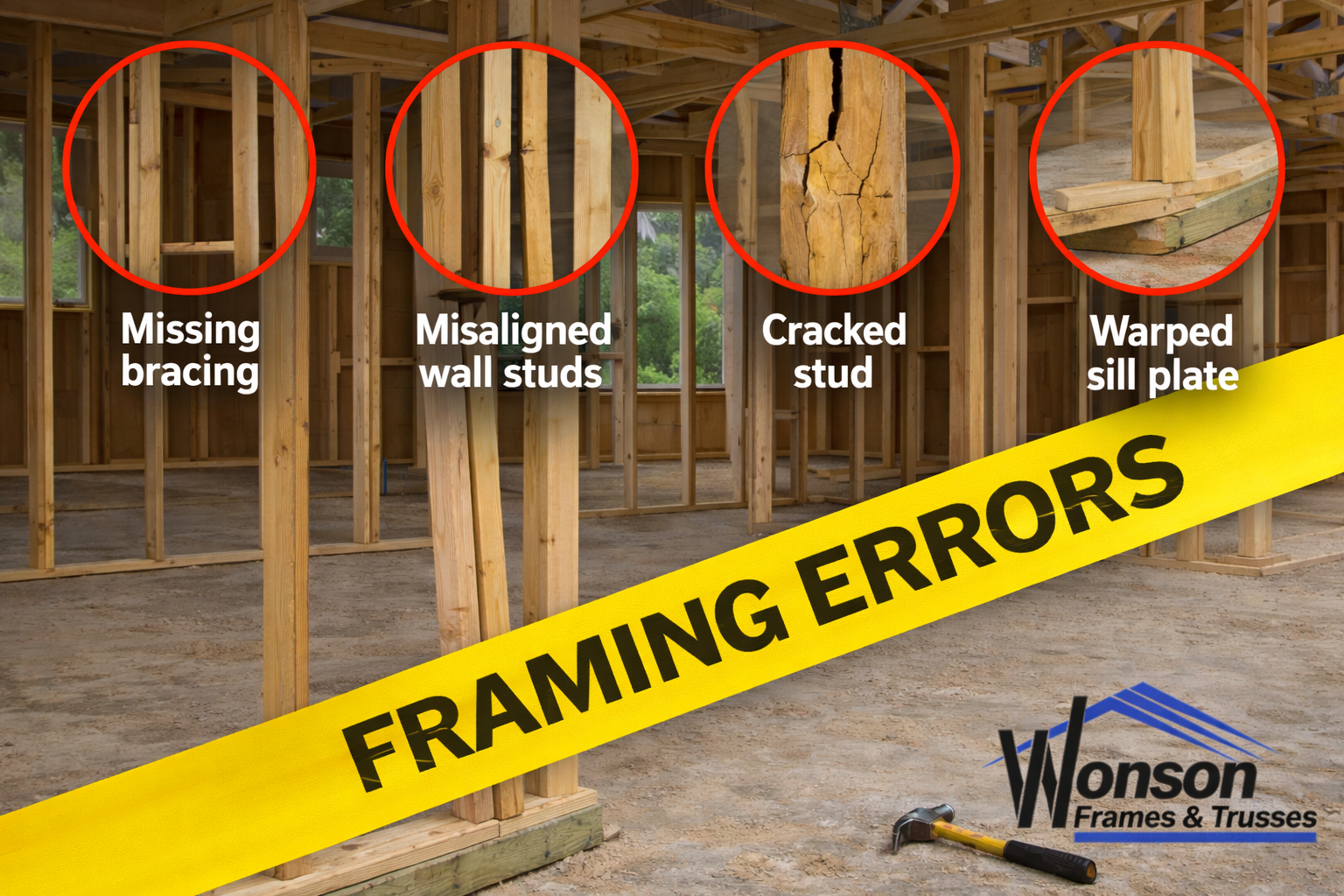
Poor spacing or incorrect installation can result in:
- Structural movement
- Cracking in finishes
- Reduced wall stability
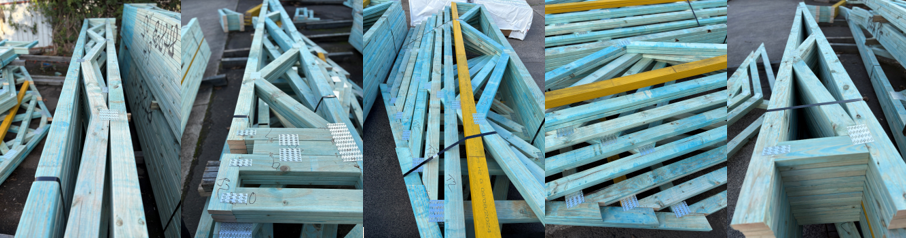
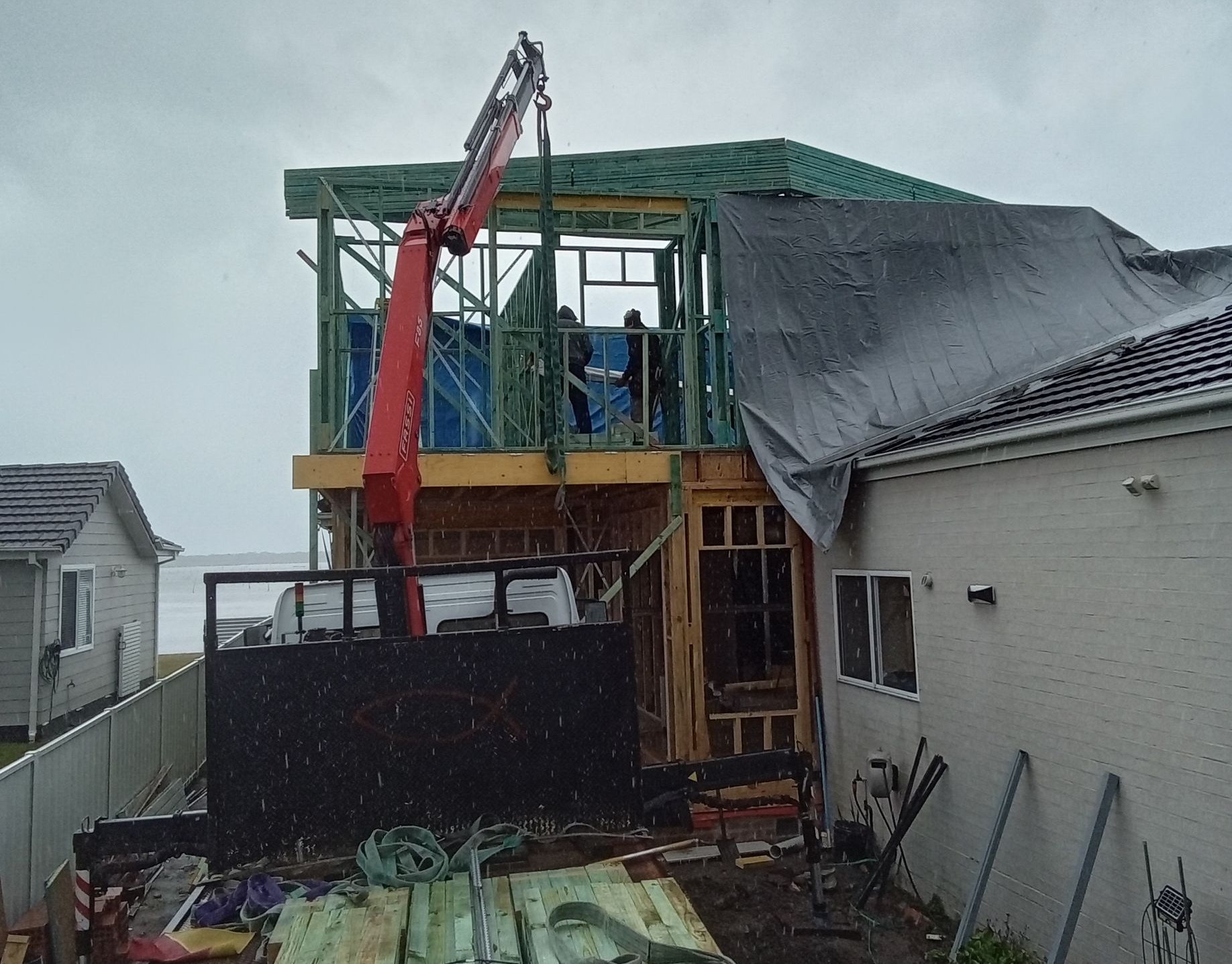
This is why engineered wall frames are manufactured to precise specifications before delivery to site.
Prefabricated Timber Wall Frames and Accuracy
Prefabricated timber wall frames are designed using specialised framing software that calculates:
- Stud spacing
- Load paths
- Structural connections
- Bracing requirements
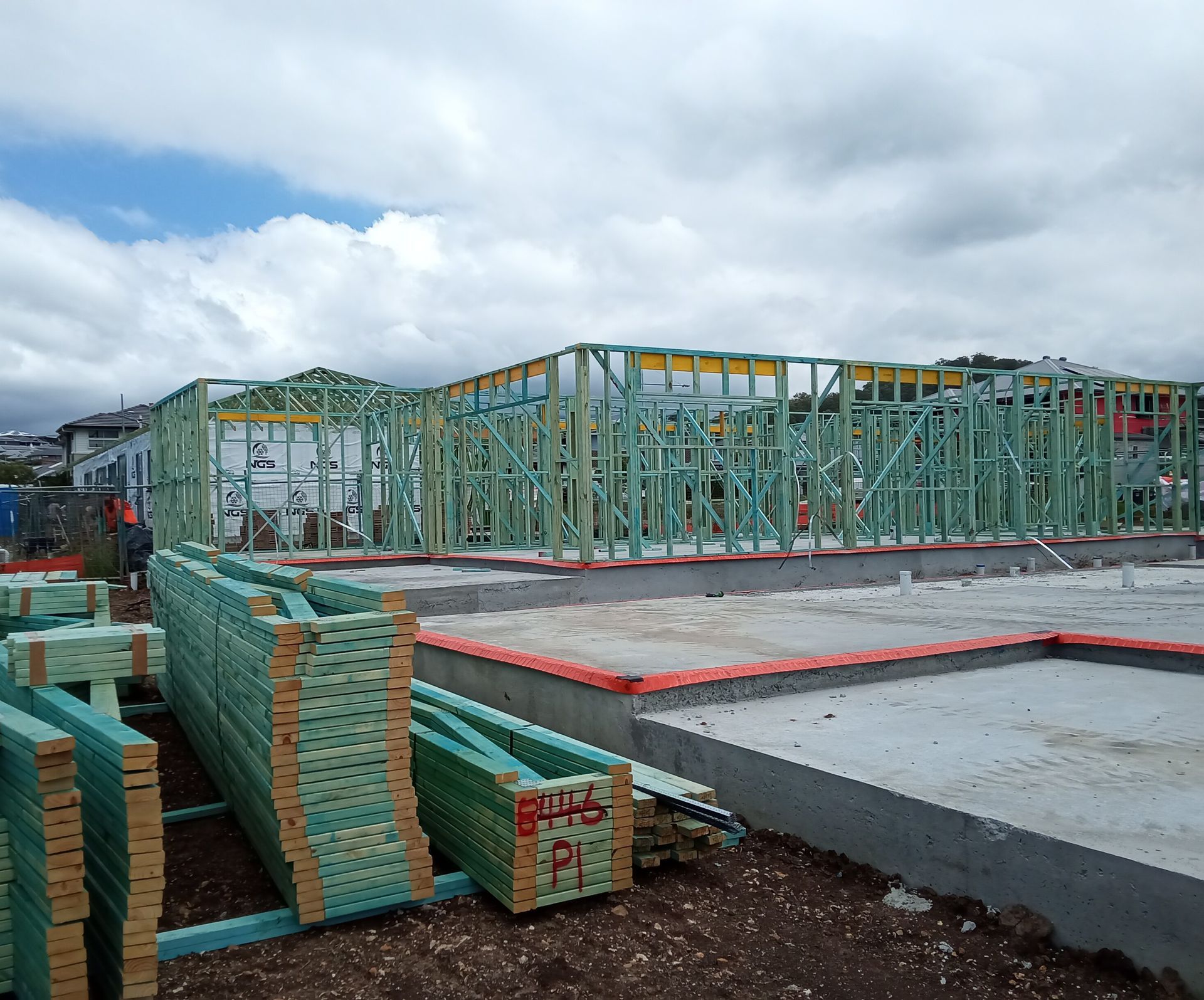
Manufacturing frames off-site ensures each stud is positioned accurately according to the engineering design.
This improves:
- Installation speed
- Structural accuracy
- Compliance with AS1684
- Overall build efficiency
Why Correct Stud Spacing Matters
Correct stud spacing ensures:
✔ Structural integrity of the building
✔ Compliance with Australian standards
✔ Proper installation of linings and cladding
✔ Efficient load transfer through the structure
✔ Long-term durability of the frame system
Builders should always follow engineering drawings and AS1684 guidelines when installing timber wall frames.
Engineered Timber Wall Frames for Residential Construction
Engineered wall frames provide builders with pre-designed structural systems manufactured to meet Australian standards.
By using prefabricated frames, builders benefit from:
- Precise stud placement
- Faster installation
- Reduced on-site cutting
- Consistent structural performance
Timber wall frames remain one of the most efficient structural systems used in Australian residential construction.
Frequently Asked Questions – Timber Wall Frame Stud Spacing
What is the standard stud spacing in Australia?
The most common stud spacing used in Australian timber framing is 450mm or 600mm centres, depending on structural requirements and engineering specifications.
Does AS1684 specify stud spacing?
Yes. AS1684 provides guidelines for timber framing design including stud spacing, bracing, load transfer and structural detailing for residential buildings.
When should 450mm stud spacing be used?
450mm centres are often used when additional strength is required, such as higher wind classifications, taller wall heights or heavier external cladding systems.
Can stud spacing vary within the same wall frame?
Yes. Stud spacing may vary depending on openings, load points, window placement and engineering requirements. Structural drawings determine the exact layout.
Are prefabricated wall frames compliant with AS1684?
Yes. When manufactured correctly, prefabricated timber wall frames are designed in accordance with AS1684 and structural engineering specifications.
| Feature / Factor | 450mm Stud Spacing | 600mm Stud Spacing |
|---|---|---|
| Structural Strength | Stronger wall, less deflection | Adequate for most residential loads |
| Wall Stiffness | Higher rigidity | Slightly more flex |
| Load Capacity | Better for higher wind classifications | Suitable for lower wind areas |
| Timber Usage | More studs required | Fewer studs required (cost saving) |
| Cost | Higher material + labour cost | More cost-effective overall |
| Insulation Fit | May require trimming insulation batts | Standard batt sizes fit easily |
| Plasterboard Support | Better support, reduces sheet movement | Acceptable but may require thicker lining |
| Noggings Requirement | Less reliance on additional noggings | May require extra noggings for stiffness |
| Typical Applications | High wind zones, loadbearing walls, double-storey | Internal walls, low-load external walls |
| Compliance (AS1684) | Common in higher wind classifications | Common in standard residential builds |
Under AS1684 Timber Framing Code, both 450mm and 600mm stud spacing are permitted depending on wind classification, wall height, and load requirements.