Framing Requirements in the Southern Highlands & Tablelands Climate
Timber vs Steel: What Works Best in Bushfire-Prone Areas of the Southern Highlands & Tablelands
The Southern Highlands presents unique construction challenges — large rural lots, dense bushland interface, and elevated Bushfire Attack Levels (BAL). For builders working in Bowral, Mittagong, Moss Vale, Robertson and surrounding areas, framing material selection impacts:
- BAL compliance
- Structural performance under radiant heat
- Program timelines
- Rebuild complexity
- Long-term client outcomes
So when comparing timber vs steel in bushfire-prone areas — what actually delivers the most practical advantage on site? Find out below..
Bushfire Compliance in the Southern Highlands & Tablelands
Many Highlands projects fall within BAL-19, BAL-29 and BAL-40 classifications due to vegetation proximity and slope. Under AS 3959 (Construction of Buildings in Bushfire-Prone Areas), compliance depends on:
- External wall systems
- Roof design
- Ember protection
- Subfloor treatment
- Framing compatibility
- The structural frame must integrate cleanly into the entire compliant system.
- Engineered Timber Frames: Practical Advantages for Builders
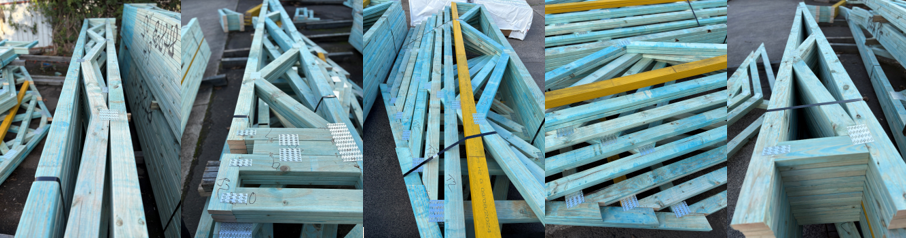
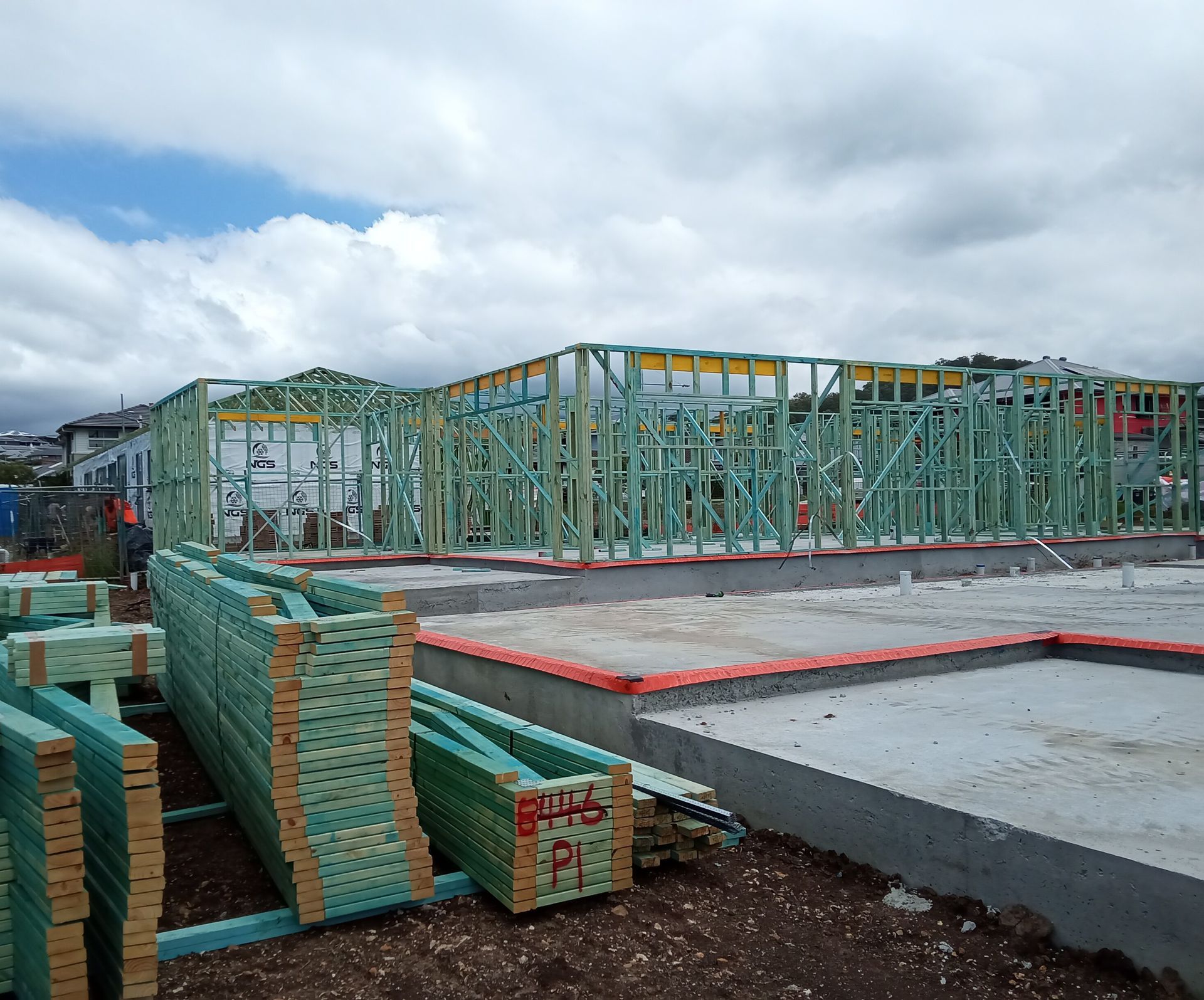
Modern prefabricated timber frames and trusses are engineered and certified to meet bushfire construction requirements when used within compliant building systems.
For builders, the real advantages are operational.
Predictable Fire Performance
Timber chars at a measurable rate. That predictable charring:
- Protects the internal core
- Reduces sudden structural loss
- Allows engineered oversizing where required
Steel, while non-combustible, can lose strength rapidly once critical temperatures are reached — often before visible distortion. From a risk perspective, predictable behaviour matters.
Reduced Heat Transfer
Steel conducts heat efficiently. In bushfire conditions, that means:
- Faster internal heat penetration
- Potential distortion under extreme radiant exposure
- Heat transfer into connected components
- Timber’s lower thermal conductivity reduces this effect, which can assist in maintaining structural integrity under high radiant load.
Construction Efficiency in Regional Conditions
Southern Highlands sites often involve: Sloping terrain, Access constraints, Weather delays (fog, frost, rain), Larger custom home footprints.
Prefabricated timber framing offers:
- Faster installation
- Cleaner site handling
- Reduced cranage time
- Easier on-site modification if required
In regional builds where labour coordination is critical, this improves scheduling reliability.
Repair & Rebuild Practicality
In post-bushfire rebuild scenarios:
- Timber framing sections can be replaced efficiently
- Prefabrication reduces downtime
- Material lead times are generally predictable
- Steel frames exposed to extreme heat may require full structural replacement, even if visual damage appears limited.
For builders managing insurance rebuilds, this matters.
Steel Frames in Bushfire Zones: What to Consider
Steel is non-combustible, but:
- Strength decreases significantly at elevated temperatures
- Thermal expansion can affect connections
- Heat transfer can impact surrounding materials
In BAL-rated construction, system design — not just frame type — determines compliance. The “steel equals fireproof” assumption often oversimplifies real-world performance under radiant heat exposure.
Why Engineered Timber Makes Sense for Southern Highlands Projects
For builders operating in the Southern Highlands, engineered timber framing provides:
✔ Compatibility with BAL-rated systems
✔ Predictable fire performance characteristics
✔ Reduced thermal transfer
✔ Faster installation timelines
✔ Easier regional logistics
✔ Sustainable material sourcing
When designed correctly, timber framing is not a risk — it’s a proven structural solution in bushfire-prone NSW regions.
Partnering With a Local Framing Supplier Matters
Bushfire-zone construction requires more than compliant materials — it requires coordination.
We supply engineered timber frames and trusses tailored specifically for Southern Highlands projects, working directly with builders to align:
- Engineering certification
- Manufacturing schedules
- Site access planning
- Delivery sequencing
If you're pricing or preparing a project in a BAL-rated zone across the Southern Highlands , speak with our team early to streamline compliance and framing coordination.
📞 Contact us to discuss your next Highlands build.
Frequently Asked Questions – Bushfire Construction in the Southern Highlands
What BAL rating is required in the Southern Highlands?
BAL (Bushfire Attack Level) ratings in the Southern Highlands vary depending on:
- Vegetation type
- Distance to bushland
- Slope of the land
- Surrounding fuel loads
Many projects in areas like Bowral, Mittagong and Moss Vale fall into BAL-19, BAL-29 or BAL-40 classifications. A certified bushfire consultant must conduct a site-specific assessment before design and engineering are finalised.
Is timber framing compliant in bushfire-prone areas?
Yes. Engineered timber framing systems can be fully compliant with AS 3959 (Construction of Buildings in Bushfire-Prone Areas) when integrated into an approved BAL-rated building system.
Compliance depends on:
- External wall systems
- Roof construction
- Ember protection
- Glazing and openings
- Overall design detailing
Timber itself is not prohibited in bushfire zones — correct system design is what determines compliance.
Does steel perform better than timber in bushfires?
Steel is non-combustible, but it can lose structural strength rapidly under extreme heat and transfers heat efficiently through the frame.
Timber, by contrast:
- Chars at a predictable rate
- Protects its structural core
- Has lower thermal conductivity
Performance in bushfire conditions depends on full system design, not just the frame material.
Are timber frames suitable for BAL-40 construction?
Timber frames can be used in BAL-40 construction when combined with compliant external cladding, sarking, ember protection and roofing systems. Engineering specifications must align with the project’s BAL rating and design requirements. Early coordination between builder, designer and framing supplier is critical.
Why do many Southern Highlands builders choose timber?
Builders working in the Southern Highlands often select engineered timber framing because it offers:
- Predictable fire performance
- Efficient prefabrication and install times
- Easier regional logistics
- Straightforward modification onsite
- Competitive material costs
When engineered and certified correctly, timber provides both compliance and construction efficiency.
Do bushfire building requirements increase framing costs?
Higher BAL ratings may increase overall construction costs due to:
- Upgraded external materials
- Ember protection detailing
- Fire-rated components
However, framing choice alone is rarely the primary cost driver. Efficient prefabricated timber systems can help manage labour and installation time, particularly in regional builds.
Working in a bushfire-prone zone? Explore our Southern Highlands bushfire-compliant timber framing page to learn how we manufacture BAL-rated structural systems for local projects.
📞 Contact us to discuss your next Highlands build.