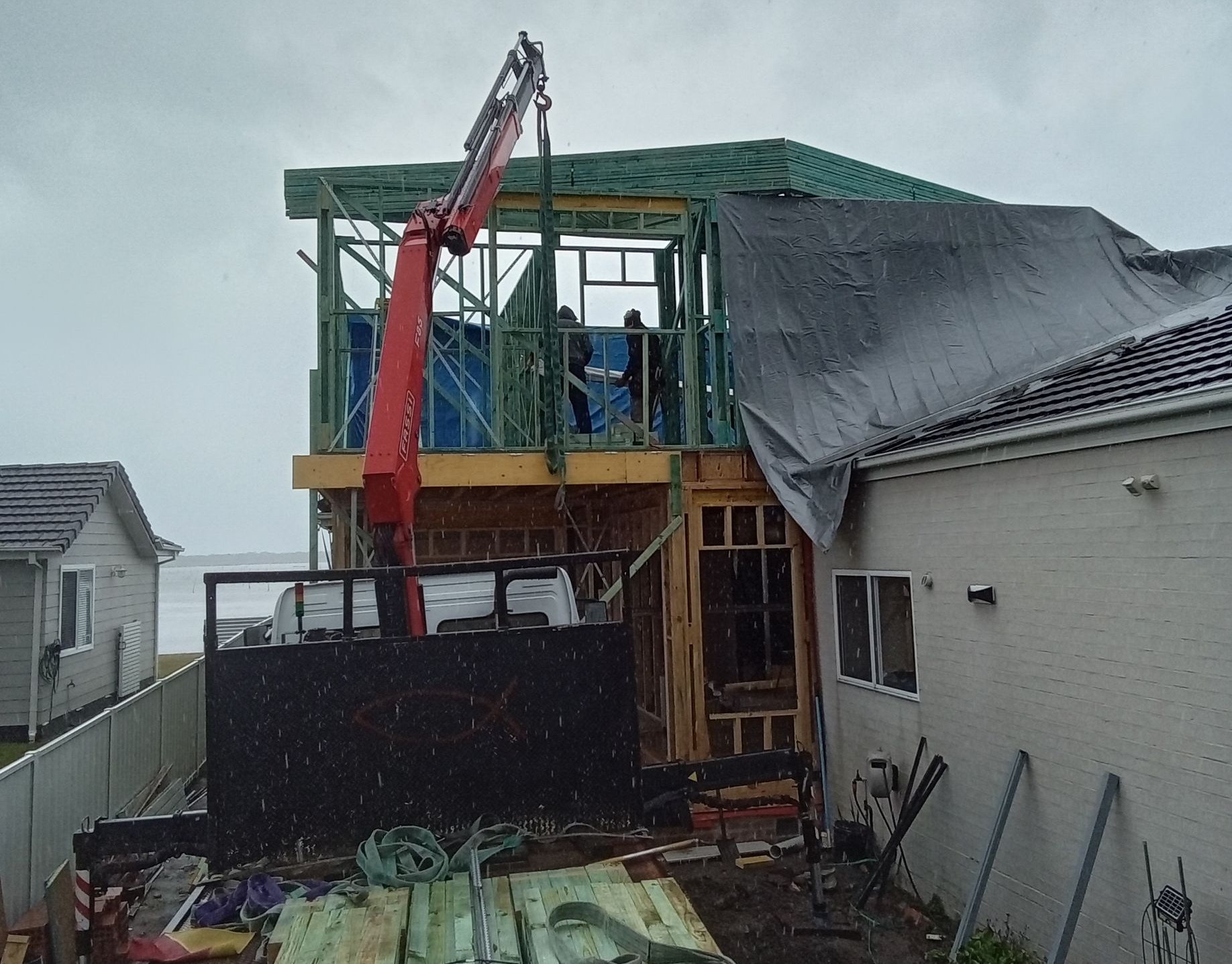
Common Framing Mistakes Builders Should Avoid
Common Framing Mistakes Builders Should Avoid
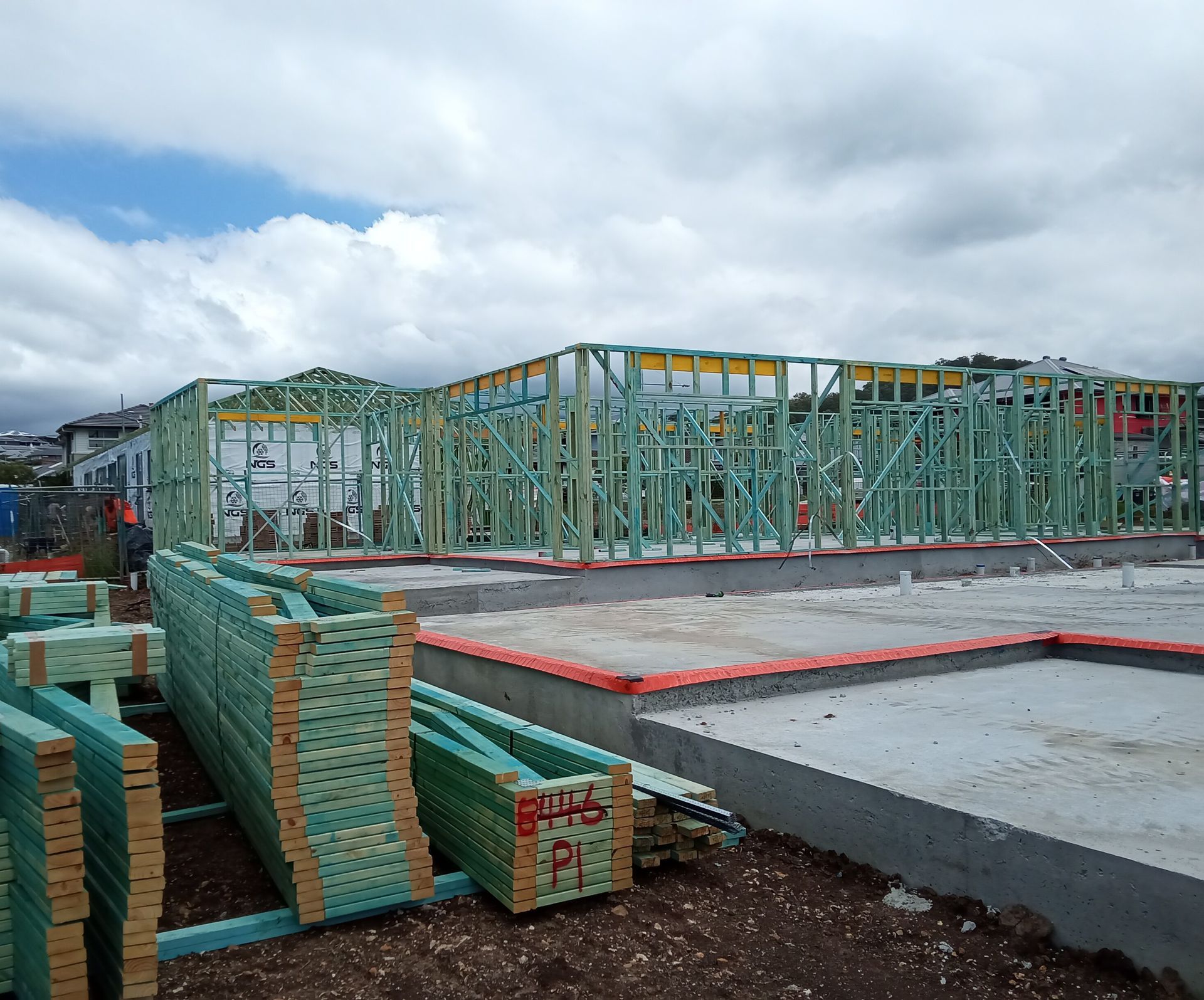
Timber framing forms the structural backbone of most Australian residential construction. When installed correctly, engineered wall frames and roof trusses provide reliable load transfer, structural stability and long-term durability.
However, even experienced builders can encounter framing issues when installation sequencing, bracing or structural alignment is overlooked. Small mistakes during the framing stage can lead to costly delays, structural defects or compliance issues later in the build.
Understanding the most common framing mistakes helps builders maintain construction efficiency while ensuring the structure performs as designed.
Incorrect Stud Spacing
Stud spacing is one of the most common framing mistakes seen on residential builds.
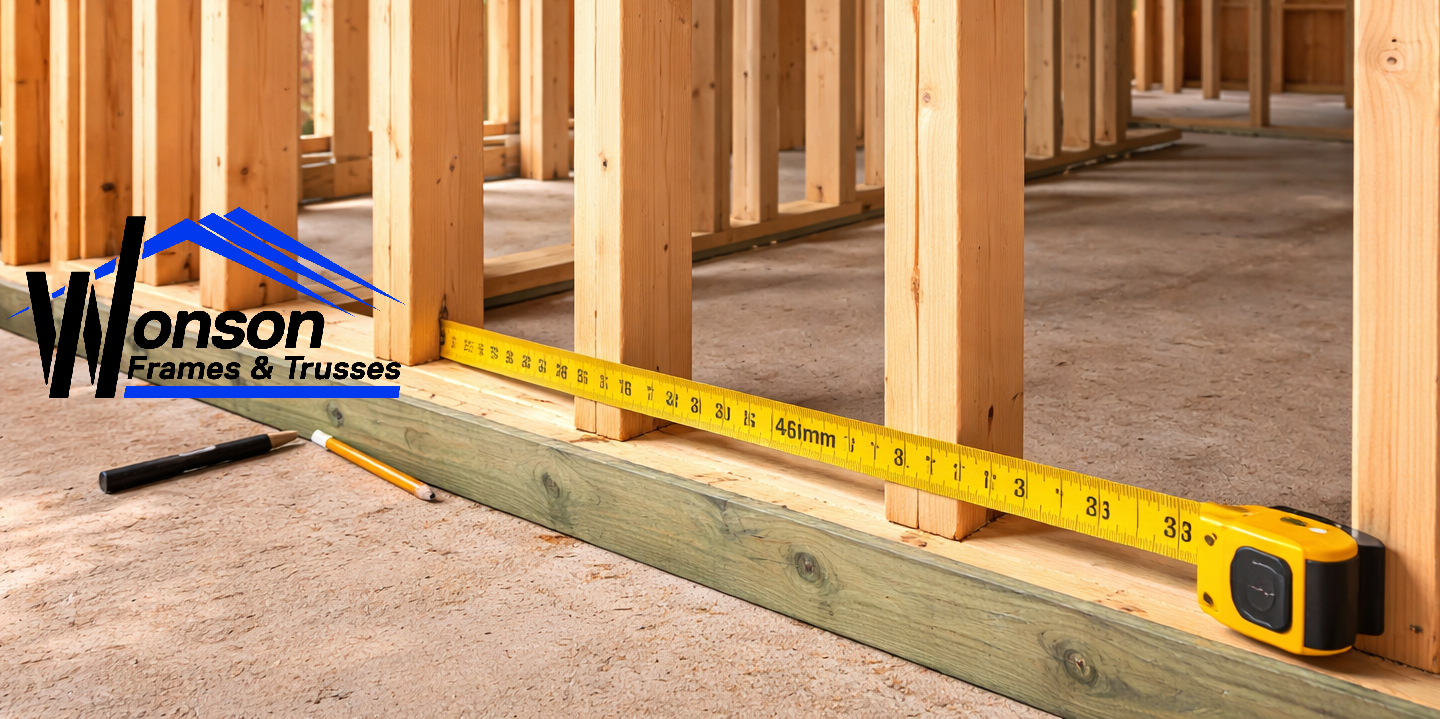
Under AS1684 – Residential Timber-Framed Construction, stud spacing must align with engineering specifications and load requirements. Incorrect spacing can affect structural strength, cladding support and plasterboard fixing.
Typical stud spacing is:
- 450mm centres
- 600mm centres
Using wider spacing than specified may result in reduced wall strength and poor load distribution.
Builders should always follow framing layouts provided by the manufacturer or structural engineer.
Check out our stud guide for more information
Poor Bracing Installation
Wall bracing is critical for resisting lateral loads such as wind pressure.
Incorrect bracing installation can reduce the structural stability of the entire building. Common issues include:
- Missing bracing panels
- Incorrect bracing placement
- Improper fixing methods
- Bracing altered during installation
Bracing systems are designed to distribute loads evenly throughout the structure. Removing or modifying bracing without engineering approval can compromise compliance with Australian building standards.
Misaligned Wall Frames
Accurate alignment during installation is essential to maintain structural load paths.
Wall frames that are not plumb or square can lead to:
- Uneven load distribution
- Difficult roof truss installation
- Structural movement over time
- Internal lining installation issues
Checking alignment early during installation helps prevent compounding problems as the build progresses.
For more information on timber wall frames click here
Incorrect Roof Truss Placement
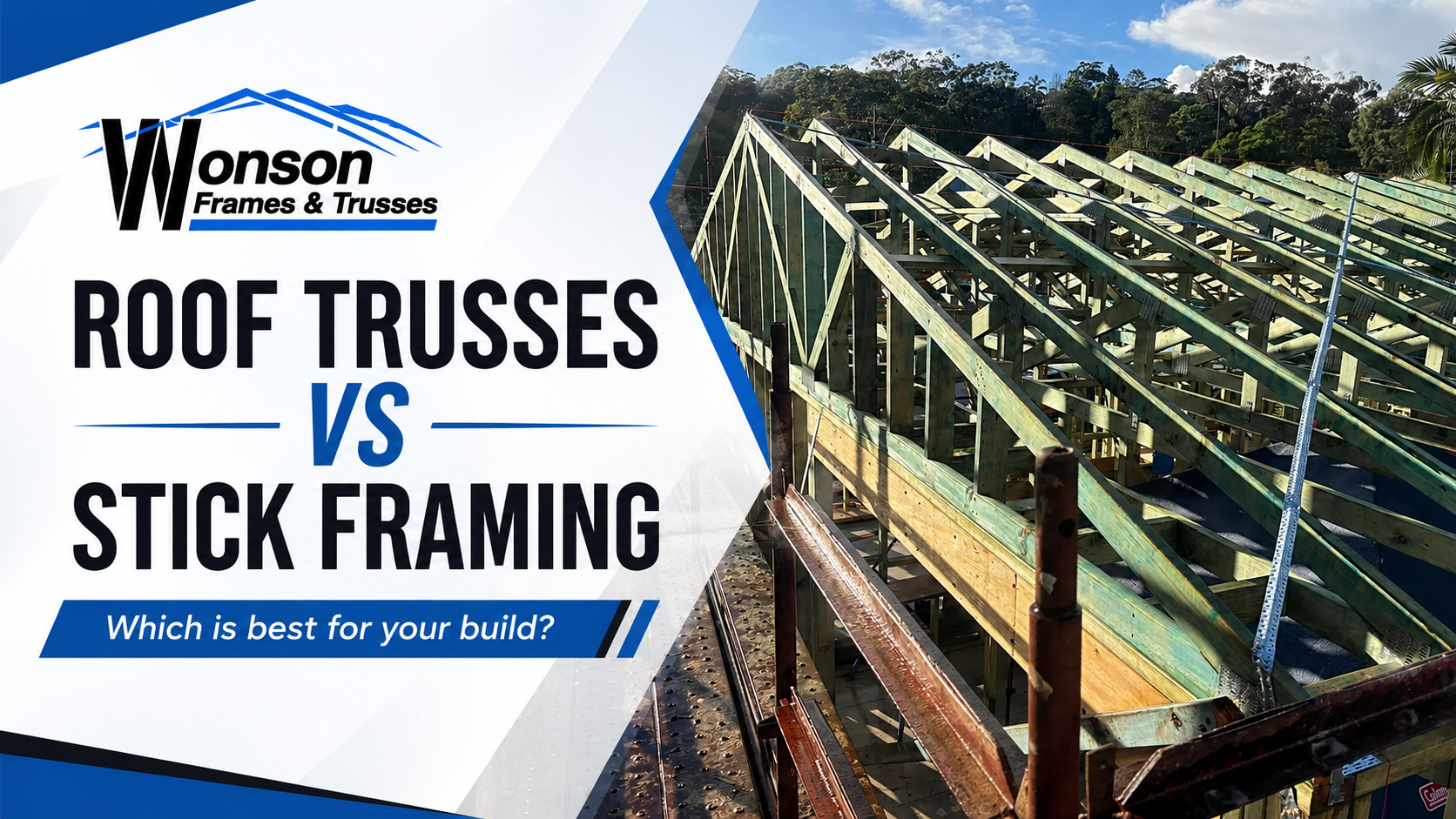
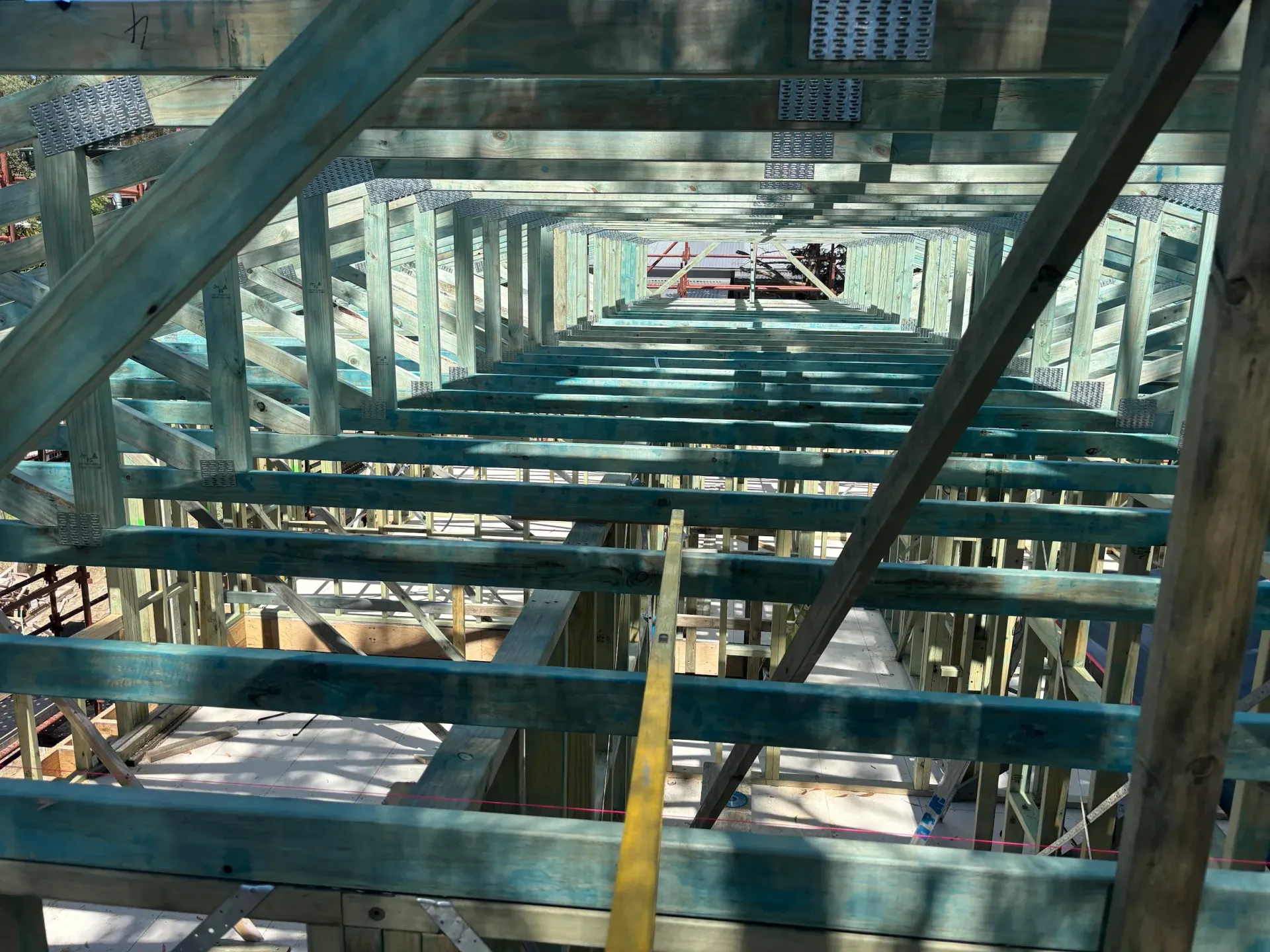
Roof trusses must be installed exactly according to engineering layouts.
Common installation errors include:
- Incorrect truss spacing
- Missing tie-down components
- Altering truss webs or members
- Inadequate temporary bracing during installation
Even small modifications to engineered roof trusses can significantly reduce structural capacity. Builders should never cut or modify truss members unless approved by the manufacturer or engineer.
See our roof trusses information page for more info
Poor Load Transfer Between Structural Elements
Framing systems are designed to transfer loads through the structure in a specific path.
If beams, lintels or studs are not correctly aligned, loads may not transfer properly to the foundations.
This can result in:
- Structural stress points
- Cracking in internal finishes
- Long-term movement within the building
Correct alignment between wall frames, beams and roof trusses ensures loads are distributed safely throughout the structure.
Ignoring Wind Classification Requirements
Wind classification determines many framing design elements including:
- Stud spacing
- Bracing requirements
- Tie-down systems
- Roof truss design
Projects in exposed or elevated areas may require higher wind classifications under AS4055 or site-specific engineering.
Using framing designed for a lower wind category can compromise structural performance and compliance.
For more information on your regions requirements have a look at our dedicated pages
Excessive On-Site Modifications
Modern residential framing systems are often prefabricated to match engineering specifications. Excessive on-site modification can undermine the structural accuracy of the system.
Examples include:
- Cutting studs or plates
- Moving structural members
- Removing bracing
- Altering truss components
Prefabricated frames are manufactured using precise layouts to ensure compliance and efficient installation. Any changes should be reviewed by the manufacturer or structural engineer before proceeding.
The Benefits of Prefabricated Timber Framing
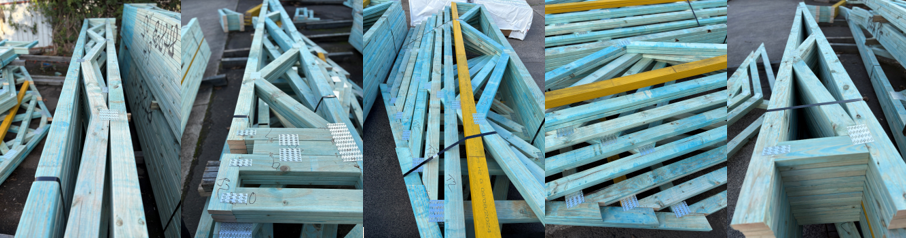
Many framing errors occur during manual on-site construction. Prefabricated wall frames and roof trusses reduce the risk of installation mistakes by ensuring structural components are manufactured to exact engineering specifications.
Benefits include:
✔ Accurate stud placement
✔ Pre-designed bracing systems
✔ Faster installation
✔ Reduced on-site cutting
✔ Improved structural consistency
Precision manufacturing helps builders maintain efficiency while ensuring compliance with Australian standards.
Check out our products and services and how we can assist you on your next build
Why Proper Framing Matters
Correct framing installation ensures:
- Structural integrity
- Compliance with AS1684
- Proper load transfer
- Long-term durability
- Efficient construction timelines
By avoiding common framing mistakes, builders can minimise delays, prevent structural issues and maintain high-quality construction outcomes.
Frequently Asked Questions – Framing Installation
What is the most common framing mistake in residential construction?
Incorrect stud spacing and missing bracing are two of the most common framing mistakes. These errors can affect structural strength and compliance with Australian standards.
Can roof trusses be modified on-site?
No. Roof trusses should never be cut or modified without approval from the manufacturer or structural engineer. Altering truss members can significantly reduce structural capacity.
Why is bracing important in timber framing?
Bracing systems resist lateral loads such as wind pressure. Without proper bracing, the structure may not perform correctly under environmental loads.
How can builders avoid framing errors?
Using engineered framing layouts, following installation guidelines and working with prefabricated timber frames can significantly reduce the risk of structural mistakes.