How Do Prefabricated Frames Speed Up Residential Construction?
How Prefabricated Frames Speed Up Residential Construction
Prefabricated Timber Frames: Faster Builds, Better Accuracy
In modern residential construction, time, accuracy, and cost efficiency are more important than ever. Builders are under increasing pressure to deliver projects faster without compromising structural quality or compliance.
This is where prefabricated timber wall frames and roof trusses have become a major advantage in the Australian building industry.
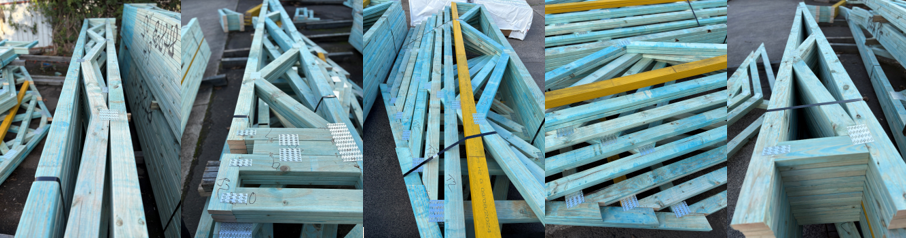
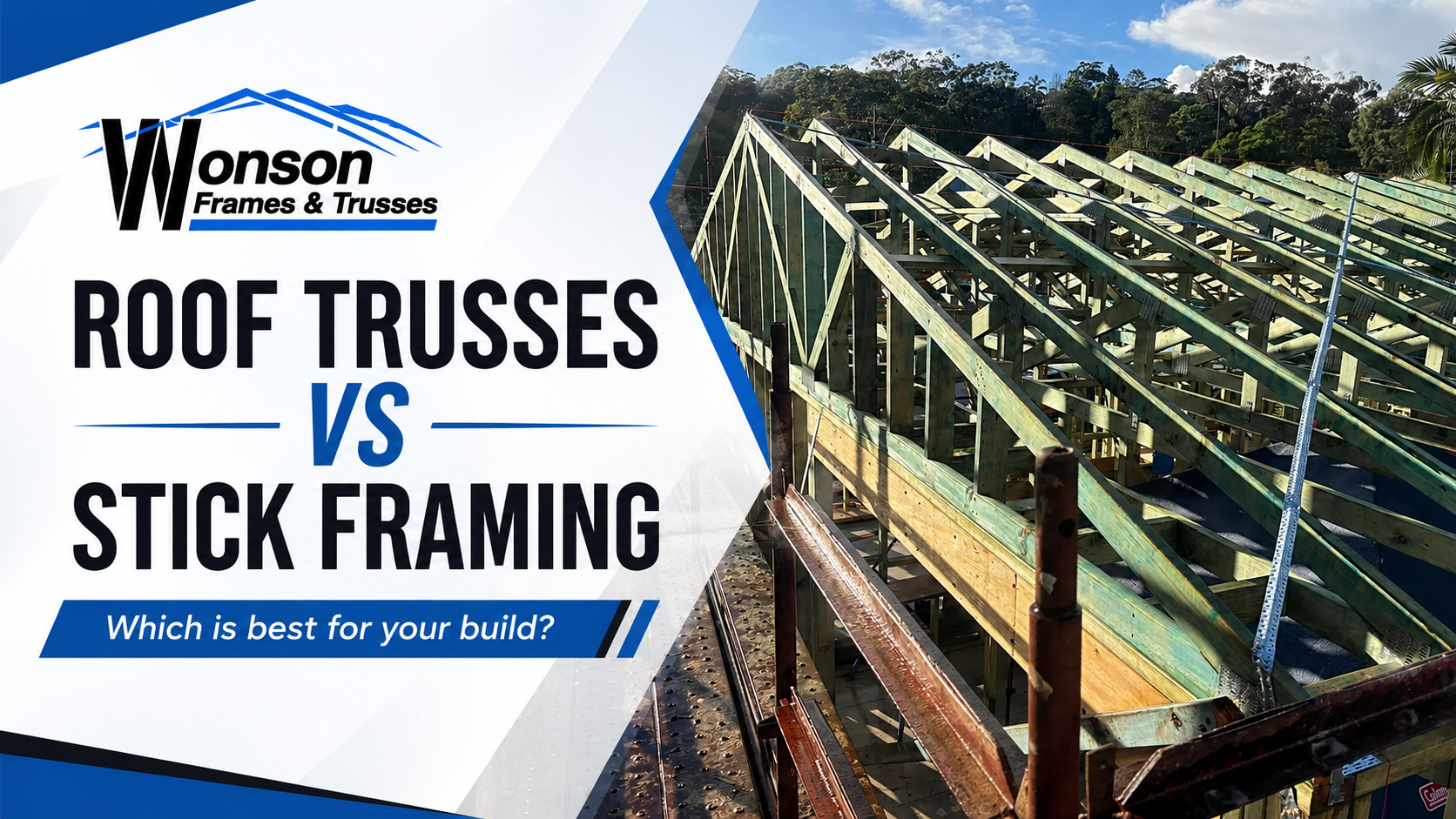
Unlike traditional stick framing, prefabricated systems are manufactured off-site in controlled factory environments using precise engineering drawings and automated cutting technology. This ensures every component arrives on-site ready for immediate installation, reducing delays and improving build quality from the ground up.
What Are Prefabricated Timber Frames?
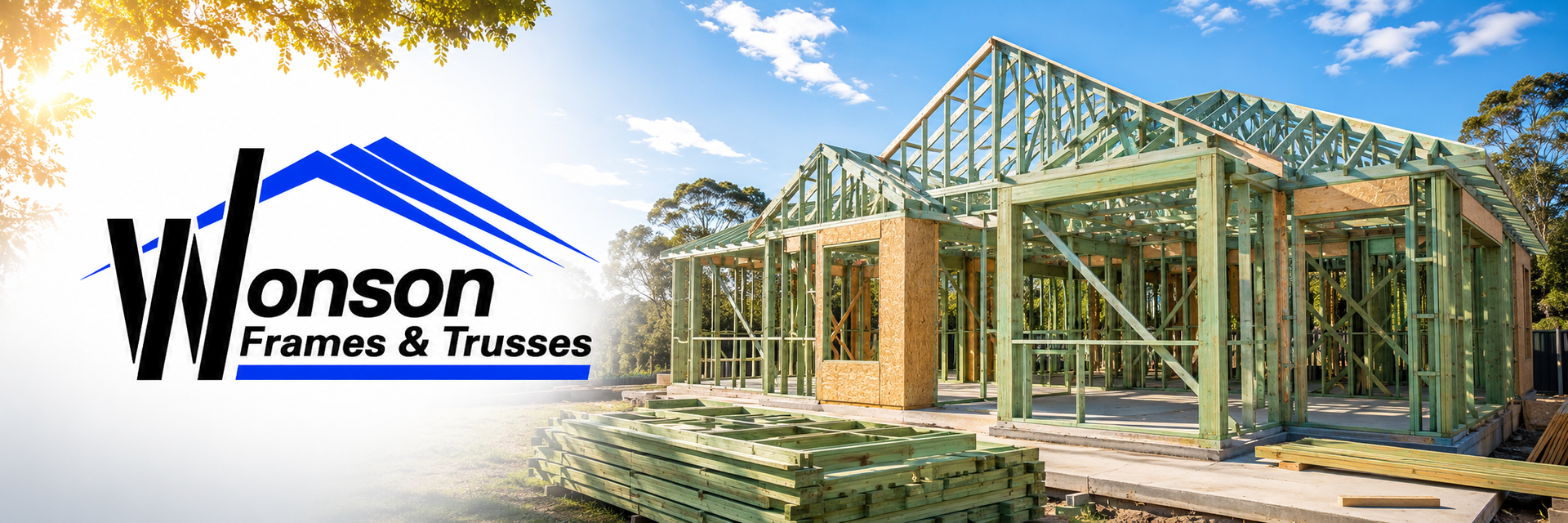
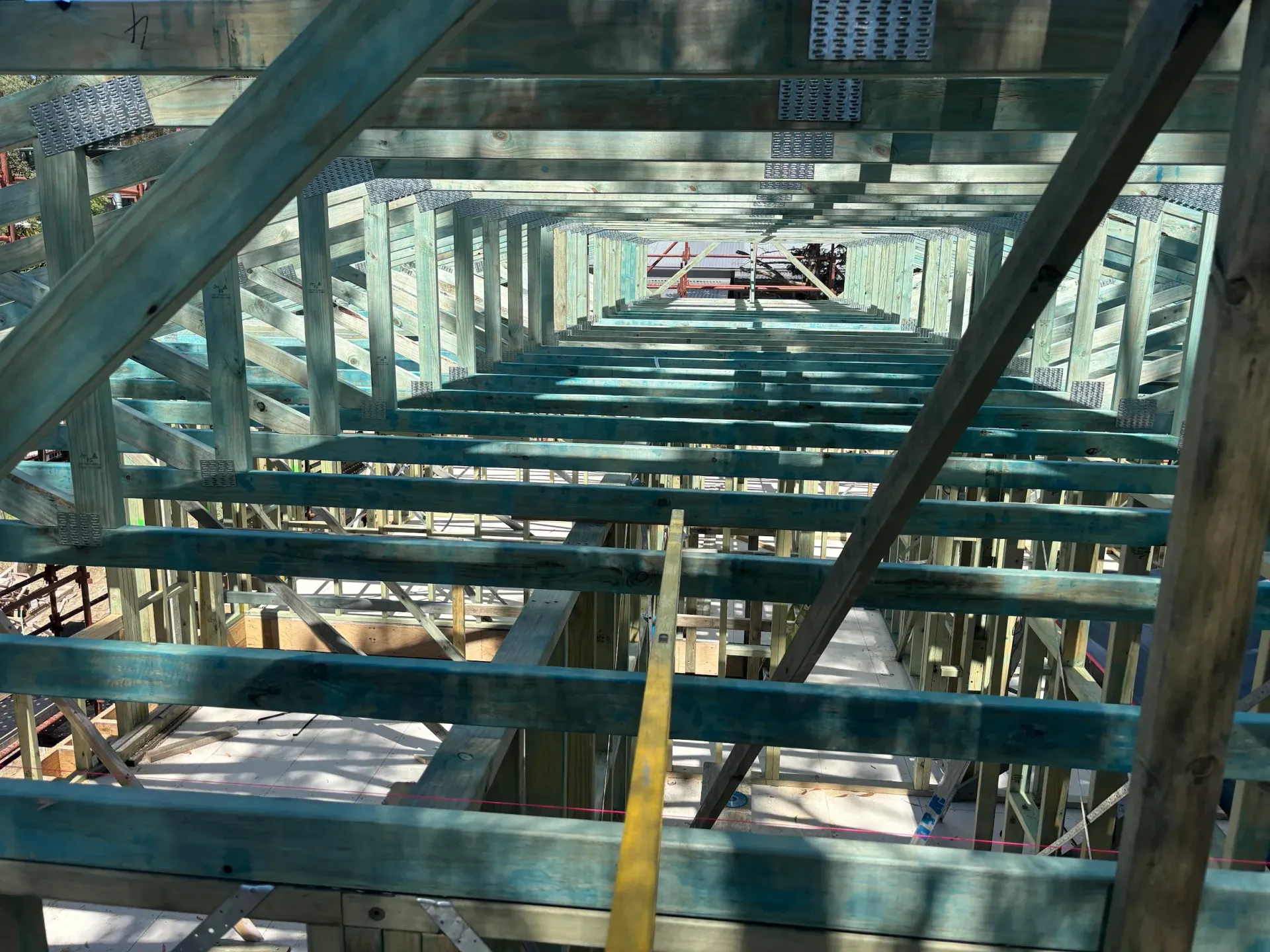
Prefabricated timber frames are pre-engineered wall and roof systems manufactured off-site and delivered to site ready for assembly.
They are designed using advanced CAD and framing software, then cut, assembled, and quality-checked before delivery.
This process contrasts with traditional construction methods where:
- Timber is delivered in bulk
- Measurements are taken on site
- Cutting and assembly happen manually during construction
By shifting this process off-site, builders gain far greater control over accuracy, timing, and material efficiency.
Reduced On-Site Labour Requirements
One of the most immediate benefits of prefabricated framing is the significant reduction in on-site labour.
Because frames arrive pre-built and ready to install, builders experience:
- Minimal cutting or adjustment on site
- Reduced manual measuring and marking
- Less reliance on skilled carpentry hours during framing
- Faster installation of wall and roof systems
This streamlined approach allows construction teams to focus on assembly rather than fabrication, reducing labour intensity during the most time-sensitive stage of the build.
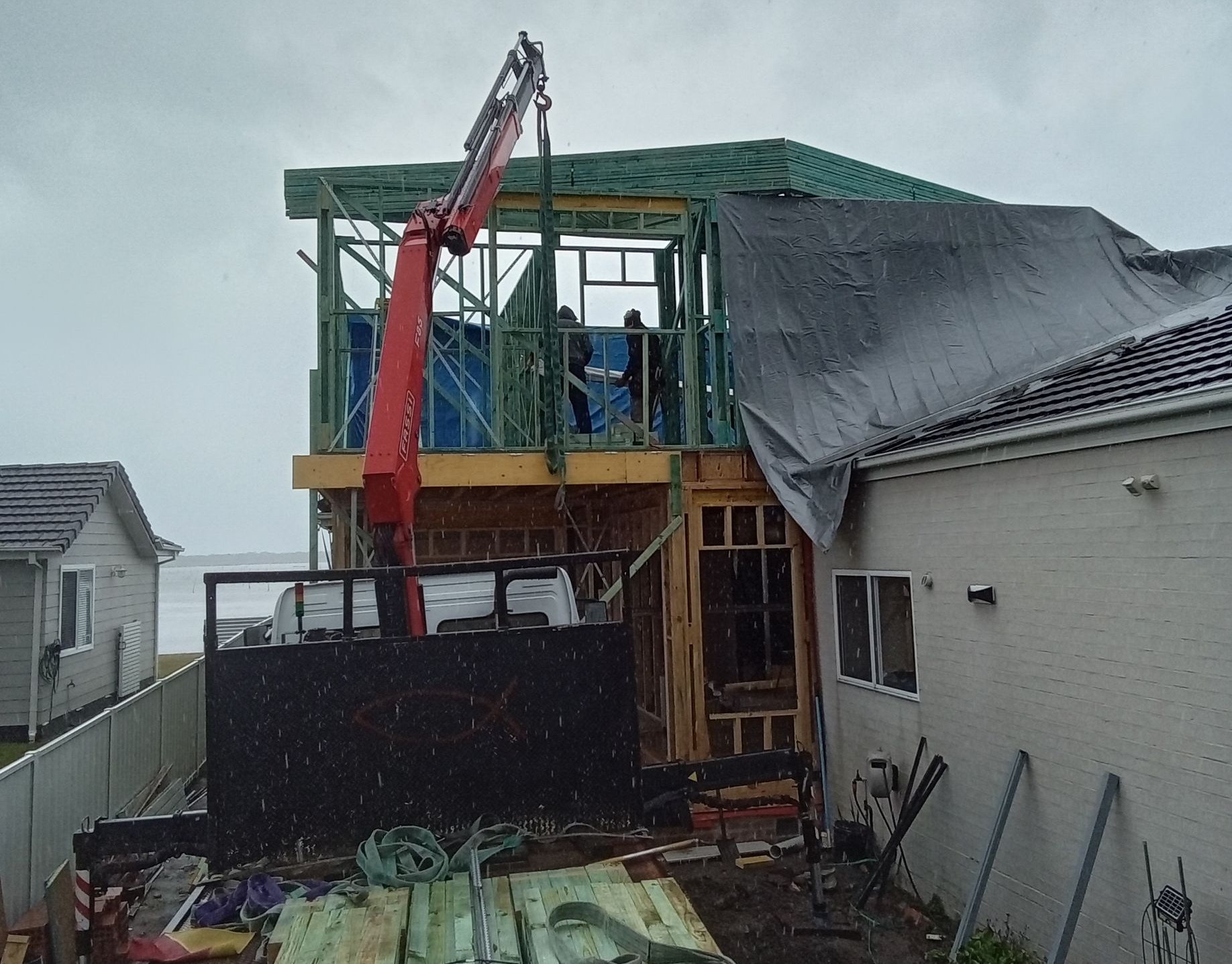
In practical terms, this often means a home can move from slab stage to lock-up considerably faster than with traditional framing methods.
Faster Overall Construction Timelines
Speed is one of the biggest advantages of prefabricated timber systems.
Because wall frames and roof trusses are manufactured in advance, construction scheduling becomes more predictable and less affected by on-site delays.
Key time-saving benefits include:
- Framing time reduced by several days or even weeks
- Less downtime caused by poor weather conditions
- Faster progression to roofing, cladding, and internal works
- Improved coordination between trades
Once frames are installed, other trades such as electricians, plumbers, and roofers can begin work sooner, helping the entire project stay on schedule.
This improved sequencing can significantly shorten the overall build program, especially on larger residential or multi-dwelling projects.
Greater Structural Accuracy and Consistency
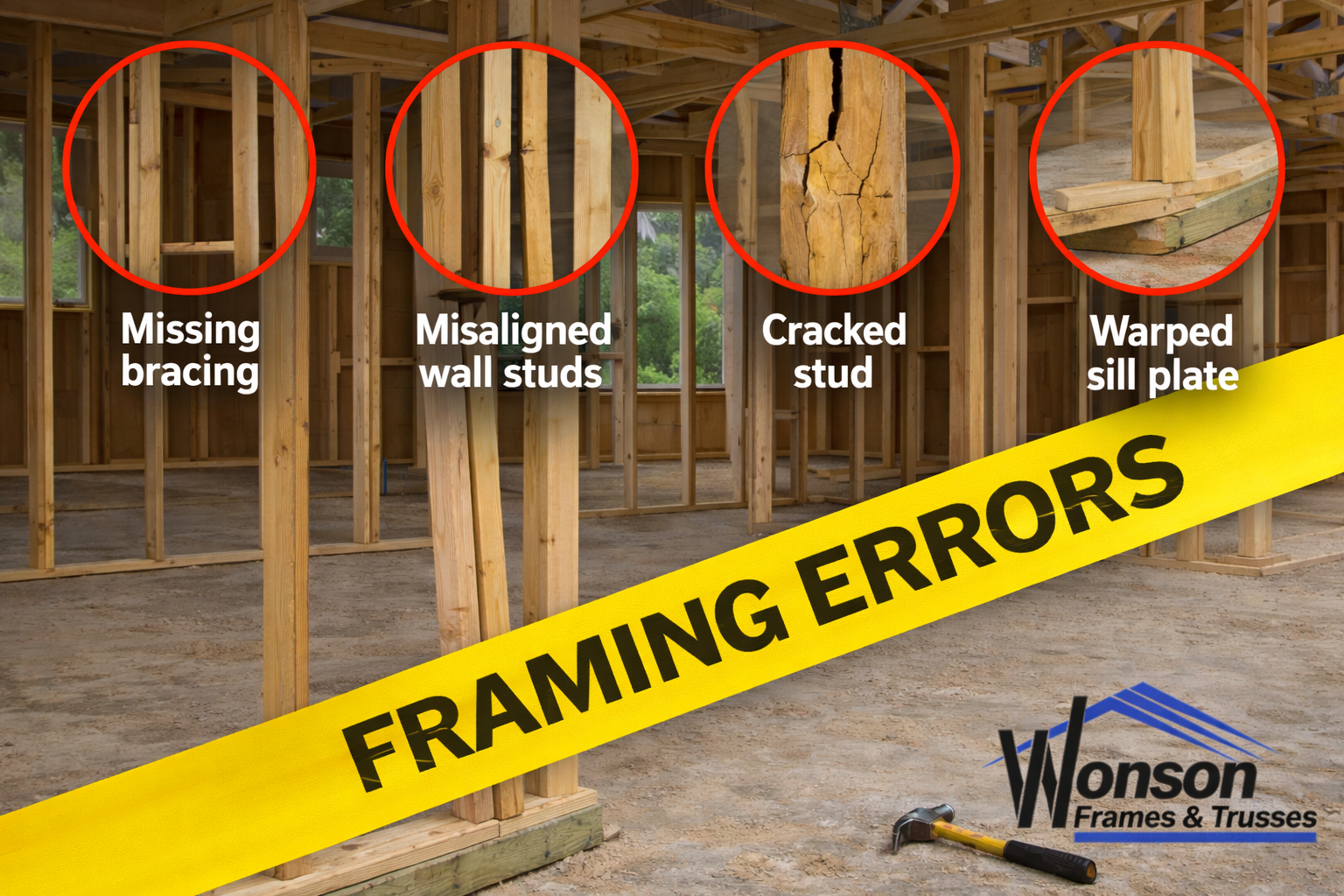
Prefabrication improves accuracy by removing many of the variables associated with on-site construction.
Each frame is produced using engineered drawings and precision cutting equipment, ensuring consistency across every component.
This results in:
- Correct stud spacing and alignment
- Accurate load-bearing paths throughout the structure
- Consistent wall and roof geometry
- Reduced risk of human error during assembly
Because components are manufactured under controlled conditions, quality is easier to maintain compared to variable on-site environments.
This level of precision is particularly important for compliance with Australian standards such as AS1684 Residential Timber Framing Code, where structural integrity and load distribution are critical.
Reduced Material Waste and Cost Efficiency
Another major advantage of prefabricated timber framing is improved material efficiency.
Traditional on-site framing often produces significant offcuts and waste due to manual cutting and adjustments. In contrast, prefabrication optimises timber usage before materials even reach site.
Benefits include:
- Reduced timber wastage from accurate cutting plans
- Better material yield from engineered optimisation
- Lower disposal costs from reduced offcuts
- More predictable material usage per project
This not only supports cost control but also contributes to more sustainable construction practices by reducing unnecessary waste.
For more information on Sustainability see our Timber VS Steel page
Improved Site Safety and Cleanliness
Prefabricated systems also improve site conditions.
With less cutting and handling of raw materials on site, builders benefit from:
- Reduced exposure to sawdust and debris
- Fewer cutting tools in active use
- Cleaner and more organised work areas
- Lower risk of onsite injuries related to manual fabrication
A cleaner site also improves workflow efficiency and reduces disruptions between trades.
Why Builders Are Choosing Prefabricated Timber Frames
Across residential construction in Australia, prefabricated framing is becoming the preferred choice for many builders due to its practical advantages.
Key reasons include:
✔ Faster installation and shorter build programs
✔ Improved dimensional accuracy and structural consistency
✔ Reduced on-site labour requirements and costs
✔ Better compliance with Australian Standards (AS1684)
✔ More predictable project scheduling
✔ Reduced material waste and improved sustainability
For builders working on tight timelines or multiple projects, prefabricated framing provides a significant competitive advantage.
Prefabrication in Modern Construction
As construction demand increases and labour availability tightens, prefabricated systems are becoming a core part of modern residential building practices.
They allow builders to:
- Deliver projects faster
- Maintain consistent quality
- Improve profitability through efficiency
- Reduce reliance on variable on-site conditions
This shift is not just about speed—it’s about building smarter, more controlled construction processes from design through to completion.
FAQ
Do prefabricated frames reduce build time?
Yes. Prefabricated timber frames significantly reduce framing time and help minimise delays caused by weather, labour shortages, and on-site variations.
Are prefabricated frames compliant with Australian standards?
Yes. When designed and manufactured correctly, prefabricated timber frames comply with Australian Standard AS1684 and relevant engineering requirements.
Are prefabricated frames suitable for all residential builds?
They are suitable for most residential construction, including single homes, duplexes, and multi-dwelling projects, depending on design requirements.