Prefab Roof Trusses vs Stick Framing NSW | Best Roof Framing Option for Builders
Prefab Roof Trusses vs Stick Framing: What’s the Difference?
When planning a residential or commercial build, one of the key structural decisions is how the roof will be framed. Two common options are prefabricated roof trusses and stick framing, also known as traditional roof framing.
Both methods can create strong, reliable roof structures when designed and installed correctly, but they differ in cost, construction time, design process, labour requirements and site efficiency.
At Wonson Frames & Trusses, we manufacture engineered roof trusses for builders across Sydney, Wollongong, The Illawarra, The Southern Highlands and South Coast NSW. In this guide, we explain the key differences between roof trusses and stick framing to help you understand which option may be better suited to your project.
What Are Roof Trusses?
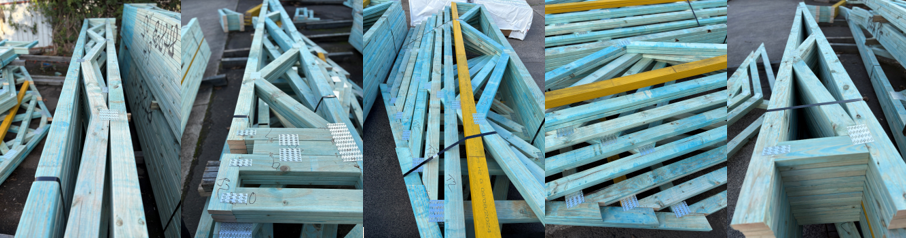
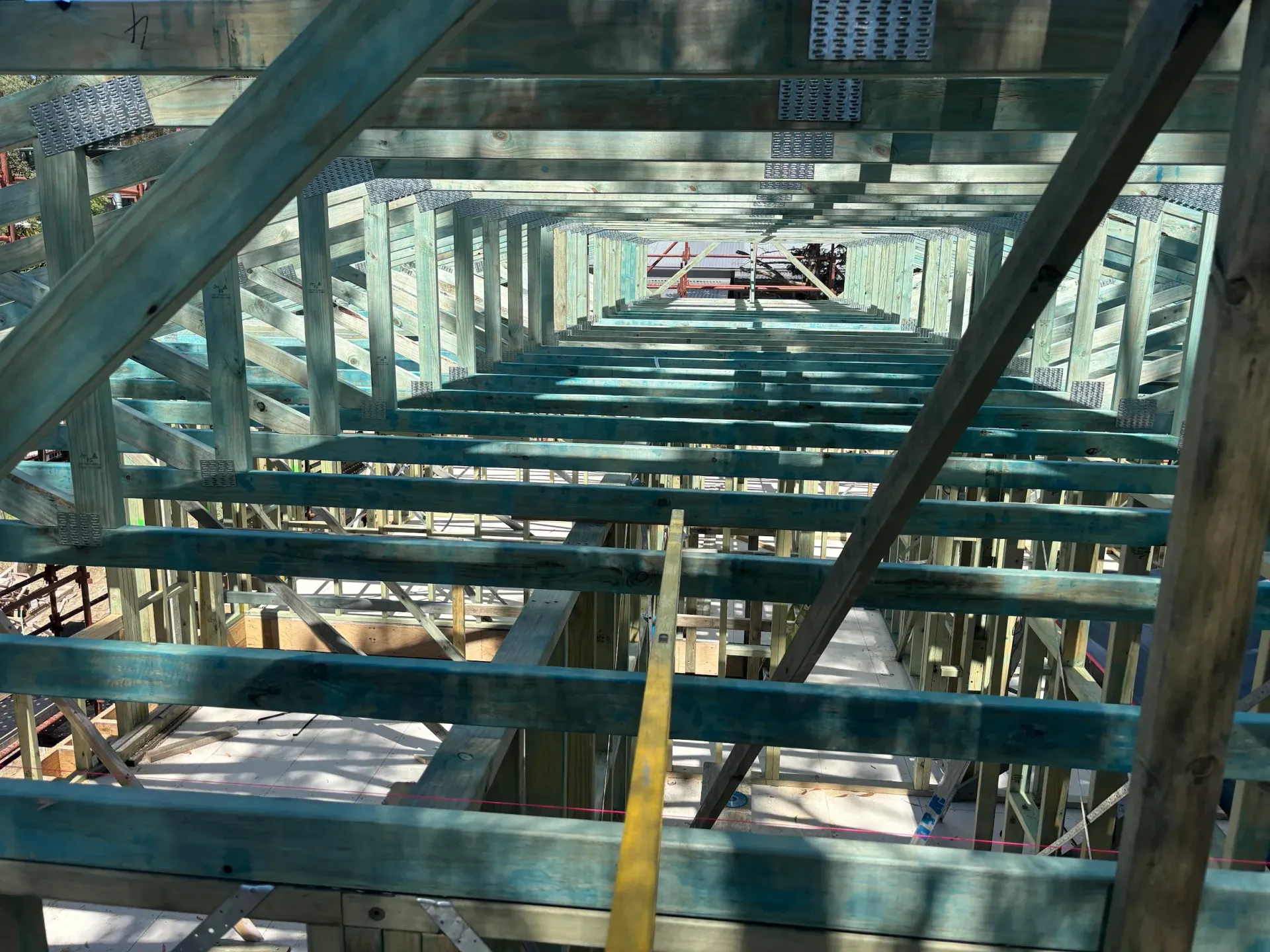
Roof trusses are prefabricated timber roof structures manufactured off-site to suit the specific design and engineering requirements of a building.
Each truss is designed to distribute roof loads efficiently across the structure. Once manufactured, the trusses are delivered to site ready for installation.
Roof trusses are commonly used in:
- New homes
- Duplexes and townhouses
- Multi-unit developments
- Extensions and renovations
- Commercial and industrial buildings
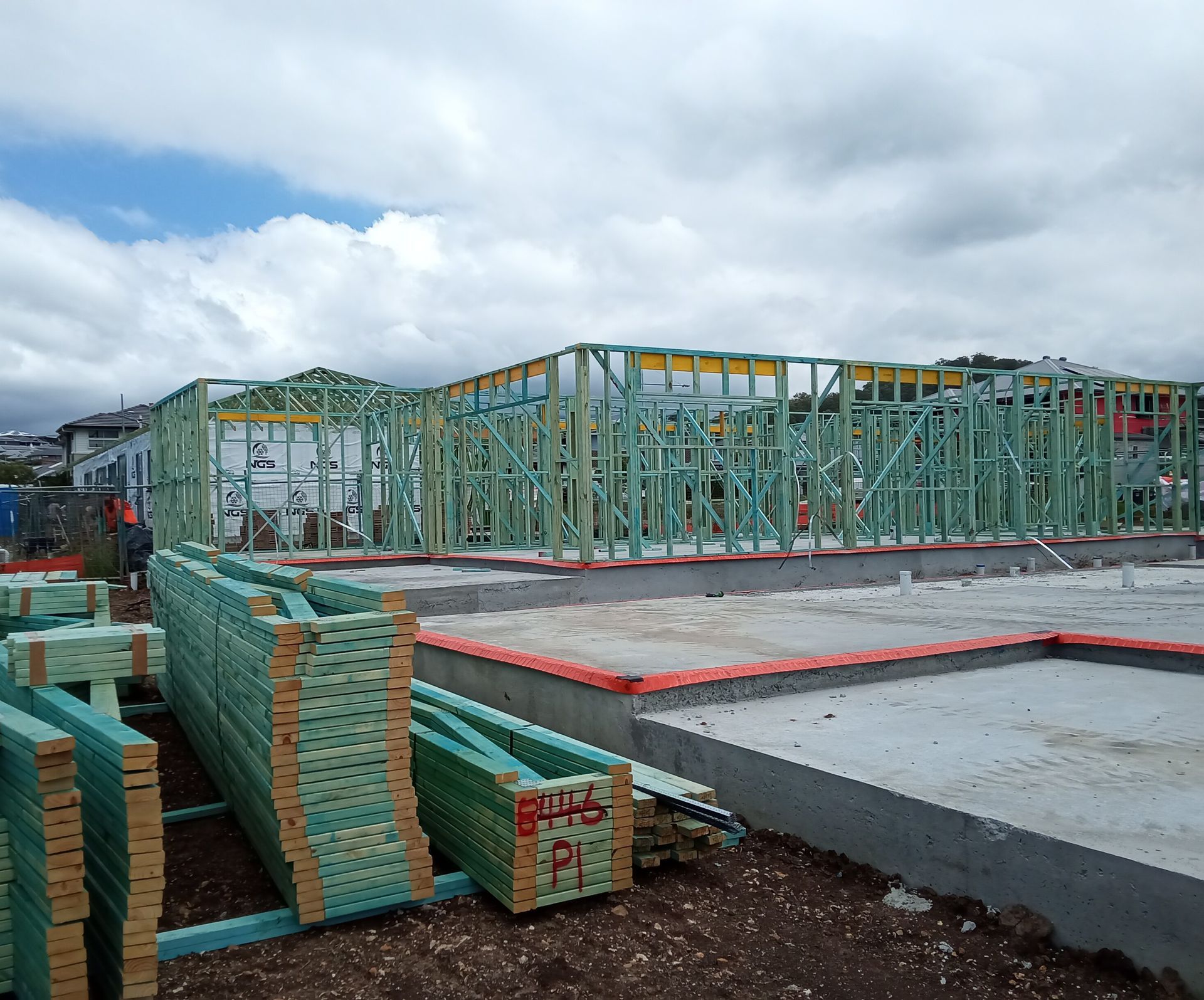
Because they are manufactured in a controlled factory environment, roof trusses can help improve accuracy, reduce site labour and speed up the construction process.
What Is Stick Framing?
Stick framing is the traditional method of building a roof structure on-site using individual timber members such as rafters, ceiling joists, ridge beams and collar ties.
Instead of arriving pre-manufactured, the roof is cut, measured and assembled by carpenters directly on the building site.
Stick framing may still be used for certain custom roof designs, renovations, heritage work or projects where site conditions require a more flexible approach.
Roof Trusses vs Stick Framing: Key Differences
1. Speed of Installation
One of the biggest advantages of roof trusses is speed.
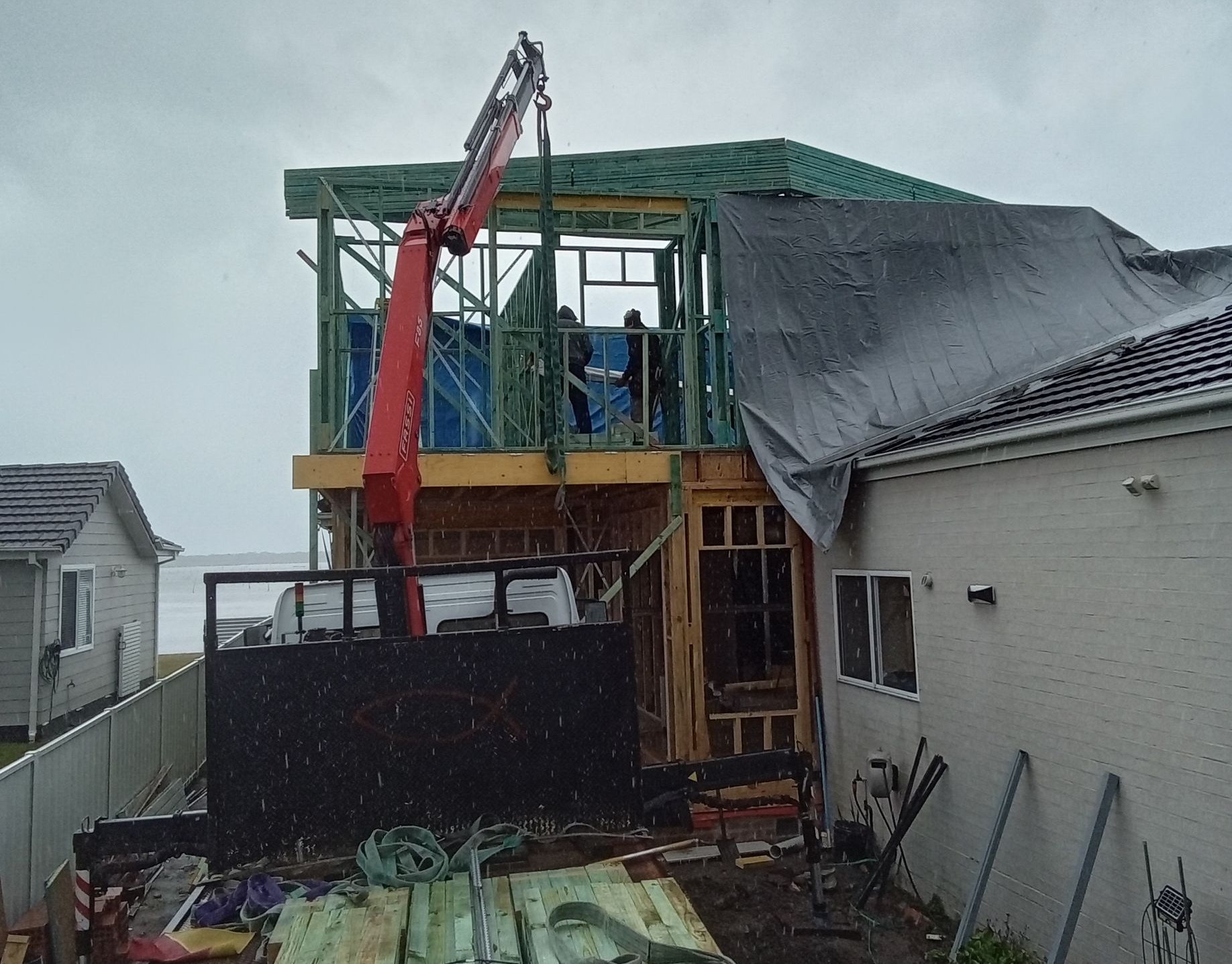
Because trusses are manufactured before they arrive on site, builders can often install them much faster than a traditionally framed roof. This can reduce labour time and help keep the project moving.
Stick framing usually takes longer because each component needs to be measured, cut and assembled on site.
Best for speed: Roof trusses
2. Accuracy and Consistency
Prefabricated roof trusses are designed and manufactured using detailed plans and specialist equipment. This helps improve consistency and reduces the chance of on-site cutting or measurement errors.
Stick framing relies heavily on site labour and manual cutting, which can increase the risk of variation depending on site conditions and workmanship.
Best for consistency: Roof trusses
3. Labour Requirements
Roof trusses can reduce the amount of skilled labour required on site. Once delivered, the installation process is generally more straightforward for experienced building teams.
Stick framing usually requires more time from skilled carpenters, especially on complex roof designs.
This can make a big difference on busy projects where trades and timelines need to be carefully managed.
Best for reduced site labour: Roof trusses
4. Design Flexibility
Stick framing can offer flexibility for unusual roof shapes, complex renovations or situations where the roof design needs to be adjusted on site.
Roof trusses are also highly versatile, but they need to be properly designed and detailed before manufacturing begins. Once trusses are made, changes can be more difficult and may require engineering review.
This is why the quoting and detailing stage is so important when ordering roof trusses.
Best for on-site flexibility: Stick framing
Best for planned, efficient construction: Roof trusses
5. Cost Efficiency
Roof trusses are often more cost-effective for many residential and volume building projects because they reduce site labour, improve installation speed and minimise timber waste.
Stick framing can become more expensive due to increased labour, longer build time and more on-site cutting.
However, the best option depends on the project size, roof design, access, engineering requirements and builder preferences.
Best for overall efficiency: Roof trusses
6. Engineering and Structural Performance
Roof trusses are engineered to suit the specific building design, roof loads and span requirements. This makes them a reliable option for many modern building projects.
Stick-framed roofs can also be structurally sound, but they require careful design, correct material selection and skilled installation.
For builders, engineered trusses provide a clear and efficient system that supports compliance and helps reduce uncertainty on site.
Best for engineered structural efficiency: Roof trusses
When Are Roof Trusses the Better Option?
Roof trusses are often the preferred option when a project needs:
- Faster roof installation
- Accurate prefabricated components
- Reduced on-site labour
- Reliable engineering and detailing
- Efficient delivery to site
- Consistent quality across multiple builds
- Better planning before construction begins
For builders working across Sydney, Illawarra and NSW, roof trusses can help keep projects moving by reducing time spent cutting and assembling roof framing on site.
When Might Stick Framing Be Used?
Stick framing may still be suitable for:
- Small renovations
- Heritage-style roof structures
- Highly customised roof shapes
- Projects with unusual site constraints
- Builds where adjustments need to be made during construction
For some projects, stick framing gives carpenters more flexibility on site. However, it usually requires more labour and time compared with prefabricated roof trusses.
Why the Detailing Stage Matters for Roof Trusses
Before roof trusses are manufactured, the project goes through a detailing stage. This is where plans are reviewed, roof layouts are prepared, and truss designs are checked before production.
A good detailing process helps ensure:
- Trusses suit the building design
- Load paths and spans are considered
- Installation is more efficient
- Site issues are reduced
- Builders receive accurate, practical information
At Wonson Frames & Trusses, clear communication during the quoting and detailing stage is a key part of helping builders avoid delays and keep their projects on track.
Roof Trusses for Builders Across Sydney, Illawarra and NSW
Wonson Frames & Trusses supplies engineered roof trusses, prefabricated timber wall frames and flooring systems for builders across:
Whether you’re working on a new home, townhouse development, renovation or commercial project, our team can assist with quoting, detailing, manufacturing and delivery.
So, Which Is Better: Roof Trusses or Stick Framing?
For most modern residential and multi-unit building projects, roof trusses are often the more efficient choice. They offer speed, accuracy, engineering support and reduced site labour.
Stick framing still has its place, especially for certain custom or renovation projects, but it can require more time, labour and on-site decision-making.
The best option depends on your project design, budget, timeline and construction requirements.
Need Roof Trusses for Your Next Project?
If you’re planning a build and need reliable roof truss supply, Wonson Frames & Trusses can help from the quoting and detailing stage through to manufacturing and delivery.
Contact our team today to request a quote for engineered roof trusses!
Frequently Asked Questions
Are roof trusses cheaper than stick framing?
Roof trusses are often more cost-effective for many modern building projects because they can reduce site labour, improve installation speed and minimise waste. However, the final cost depends on the roof design, span, access and project requirements.
Are roof trusses stronger than stick framing?
Both systems can be strong when designed and installed correctly. Roof trusses are engineered for the specific building design and load requirements, making them a reliable option for many residential and commercial projects.
Can roof trusses be changed after manufacturing?
Changes after manufacturing can be difficult and may require engineering review. This is why accurate plans, clear communication and a proper detailing stage are important before roof trusses are produced.
Do roof trusses save time on site?
Yes. Because roof trusses are prefabricated off-site and delivered ready for installation, they can significantly reduce the time needed to frame the roof on site.
Do you supply roof trusses in Sydney and Illawarra?
Yes. Wonson Frames & Trusses supplies engineered roof trusses, timber wall frames and flooring systems across Sydney, Wollongong, Illawarra, Southern Highlands, South Coast NSW and wider New South Wales.